

What Happens If You Never Clean Your Air Ducts?
February 10, 2026
- By
- Robert G.
- CEO
I’m Robert G., CEO at Crown Air Duct Cleaning, and after years of experience overseeing residential HVAC cleaning projects, I’ve learned that most homeowners don’t ignore their air ducts on purpose – they just aren’t sure what actually happens if they do nothing. This guide is written to help you decide whether duct cleaning belongs on your maintenance plan or if it can wait. One homeowner I met assumed dust in the ducts was harmless because it was “out of sight.” When we finally opened the system, the blower compartment was coated, airflow was restricted, and the family had been breathing recirculated debris for years. If you’re weighing your options, start by understanding the real consequences and how air duct cleaning decisions affect health, safety, and system performance.
How to Compare Options and Spot Red Flags
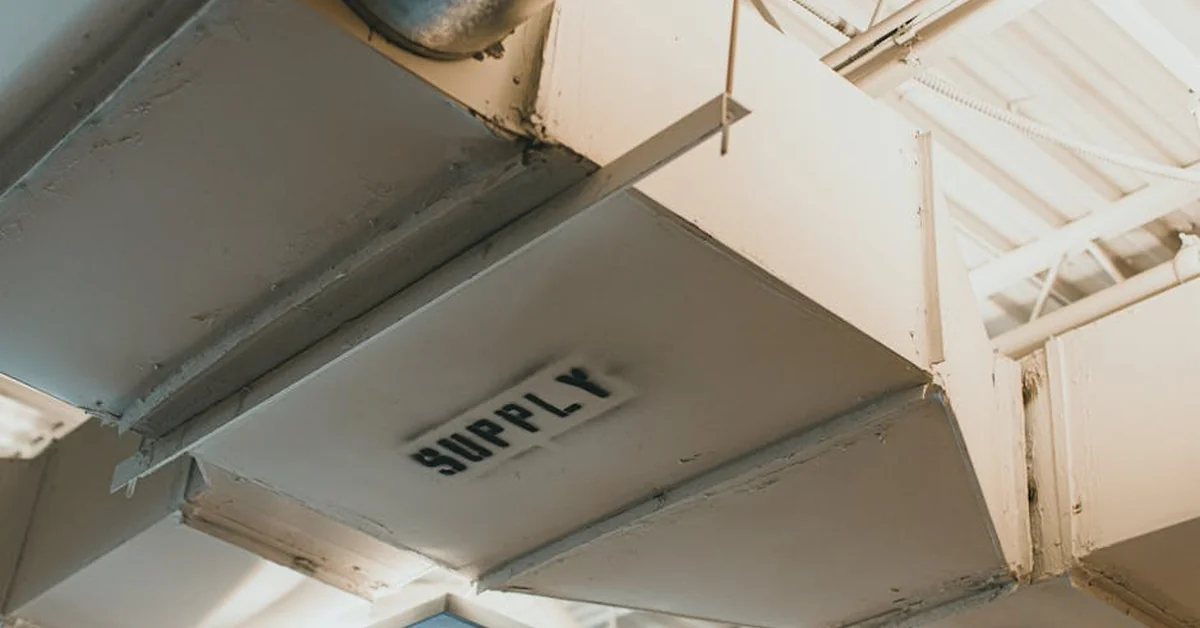
The most reliable outcomes come from following established best practices rather than choosing the cheapest offer. Professional duct cleaning should improve indoor air quality and system efficiency without damaging the HVAC components. When comparing options, I advise homeowners to weigh the pros and cons carefully:
- NADCA-aligned service: Uses negative pressure, sealed containment, and mechanical agitation to remove debris at the source.
- Low-cost, high-volume offers: Often rely on shop vacs or cursory vent cleaning, leaving trunk lines untouched.
- Full-system approach: Includes supply ducts, return ducts, blower compartment, and coils when accessible.
Questions to Ask and What the Process Looks Like
Planning ahead prevents surprises. I encourage homeowners to ask direct questions about process, scope, and verification before approving any work. A proper cleaning typically starts with an inspection, followed by system isolation, negative-air setup, and mechanical agitation using soft-bristle or skipper-ball tools matched to duct material. One client once declined cleaning after a remodel, only to call back months later when drywall dust clogged the evaporator coil. The second visit took longer and cost more because the contamination had migrated deeper into the system. When discussing budgets, realistic residential duct cleaning may range from a few hundred dollars to over a thousand, depending on:
- Site complexity and duct layout
- Material type (flex duct vs. sheet metal)
- Total system scope and contamination level
Get Clear Answers Before You Commit
If you are unsure how neglected ductwork is affecting your home, now is the moment to get clarity and protect your investment. Crown Air Duct Cleaning delivers honest evaluations, clear explanations, and practical options backed by NADCA standards, not guesswork. You gain healthier air, improved efficiency, and peace of mind through documented findings and transparent pricing. Small issues can escalate into costly repairs and comfort problems if ignored. Act now to schedule a professional assessment, ask questions, and get a plan that prioritizes safety and long term performance. Contact Crown Air Duct Cleaning today to secure availability and start breathing cleaner air sooner.

FAQs
Does dirty ductwork really affect indoor air quality?
Yes, ductwork functions as the primary delivery system for the air you breathe throughout the home. When dust, pet dander, pollen, or microbial growth accumulates inside the duct interior, those contaminants do not stay isolated. They can be re-circulated into living spaces each time the HVAC system operates. In my experience, homes with visible build-up inside ducts often show noticeably higher particulate levels at supply registers and on nearby surfaces. This does not mean ductwork is the sole cause of indoor air quality concerns, but a neglected system can magnify existing problems such as allergies, asthma symptoms, or general respiratory irritation. Cleaning the ductwork removes a hidden reservoir of debris so that filters, ventilation, and other air quality measures can function as designed. When combined with regular maintenance, this helps support cleaner airflow and a healthier indoor environment overall.
How often should air ducts be cleaned?
There is no universal schedule for duct cleaning because conditions vary widely from one property to another. Homes with pets, recent renovations, smoking, or ongoing moisture problems often accumulate debris faster and may need attention sooner. NADCA recommends making inspection based decisions rather than relying on fixed time intervals. In practice, I have seen well maintained homes operate for several years with minimal buildup, while other systems required cleaning shortly after a remodeling project or water intrusion. The most reliable approach is periodic inspection of critical system components. This includes supply and return ducts, blower compartments, coils, and drain pans. Visible dust accumulation, restricted airflow, musty odors, or evidence of microbial growth are all indicators that cleaning may be beneficial. By focusing on actual conditions instead of a calendar date, homeowners can avoid unnecessary services while ensuring the system operates efficiently and maintains healthy indoor air quality.
How much does professional air duct cleaning usually cost?
Professional air duct cleaning costs can vary widely, often starting at several hundred dollars and increasing to over a thousand depending on multiple factors. Pricing is influenced by the overall complexity of the property, the size and layout of the ductwork, material conditions, and the total scope of the HVAC system being serviced. Larger residences with multiple heating and cooling units, extensive duct networks, or significant buildup of dust, debris, or microbial growth typically require more time and specialized equipment, which can raise the final cost. Accessibility of vents and mechanical components also plays an important role in determining labor requirements. These pricing ranges are provided strictly as general reference points to help set expectations. They are not intended to represent a guaranteed or binding quote. A comprehensive on-site inspection is necessary to accurately assess conditions and deliver a precise, customized proposal.
Can homeowners clean air ducts themselves?
Basic maintenance such as changing air filters on a regular schedule and vacuuming register covers is reasonable and beneficial for most homeowners. These simple tasks help reduce surface dust, support airflow, and protect equipment efficiency. Full duct cleaning, however, is a different scope of work that requires specialized tools and training. Professionals use powerful vacuums to place the system under controlled negative pressure while carefully agitating the interior surfaces to dislodge debris without releasing it into the living space. I have seen many do it yourself attempts that accidentally push contaminants deeper into the ductwork, tear fragile flex duct, or loosen connections that later leak air. Professional service is strongly recommended when contamination extends beyond visible areas, when there are signs of mold or pest debris, or when airflow and system performance are noticeably reduced despite routine maintenance.
What are warning signs that ducts need cleaning?
Common signs often appear gradually and are easy to overlook until they become disruptive. Homeowners may notice visible dust blowing from supply registers when the system starts, along with persistent or musty odors that circulate whenever heating or cooling equipment runs. Uneven airflow between rooms, hot or cold spots, or vents that seem weak can point to blockages or buildup inside the ductwork. Excessive dust accumulation on surfaces shortly after cleaning is another frequent warning sign. In some situations, rising energy bills may indicate restricted airflow forcing the system to work harder than intended. While these symptoms do not confirm contamination on their own, they strongly suggest the need for a professional inspection. Addressing concerns early helps maintain indoor air quality, protects system components, and reduces the risk of more costly repairs or efficiency losses later.
What problems develop if ducts are never cleaned?
Over time, accumulated buildup inside the system can significantly restrict airflow, forcing blower motors to work harder than designed. This added strain often leads to increased wear, higher operating temperatures, and a greater risk of premature motor failure. When airflow is reduced, heat exchange efficiency also declines, meaning the system must run longer cycles to achieve the desired indoor temperature. Moisture that mixes with dust and debris creates conditions that can support microbial growth, which may then circulate throughout the space. From a financial perspective, these inefficiencies frequently result in higher utility bills and unexpected repair or replacement costs. From a health standpoint, occupants may notice aggravated allergies, respiratory irritation, or increased discomfort due to the repeated circulation of particulates and contaminants that the system can no longer effectively manage.
What should I look for when hiring a duct cleaning professional?
When evaluating a duct cleaning provider, start by confirming NADCA membership, current licensing, and adequate insurance coverage. A reputable company should be willing to explain the entire cleaning process in plain language, including how vents are sealed, how debris is captured, and how sensitive areas of the home are protected. Ask what equipment is used and why it is appropriate for your system. Professionals should also explain how they confirm results, such as visual inspections or before and after documentation. Be cautious of contractors who offer a flat price without first inspecting the system, since accurate pricing depends on size, layout, and condition. Avoid companies that rely on fear based claims about health risks or mold without evidence. Clear communication, transparency, and documented procedures are strong indicators of quality service.
Is dirty ductwork an emergency?
Dirty ducts are rarely an immediate emergency, but certain warning signs should be taken seriously and addressed without unnecessary delay. Persistent burning or smoky odors, visible mold growth near vents, or a sudden and noticeable reduction in airflow can indicate underlying problems that may affect system performance or indoor air quality. Ignoring these issues can allow contaminants to circulate, increase strain on HVAC equipment, and potentially worsen respiratory discomfort for occupants. The most responsible response is to arrange a professional inspection so the root cause can be accurately identified. Trained technicians have the tools and experience to determine whether cleaning, repair, or further testing is needed. Attempting aggressive do it yourself duct cleaning can dislodge debris, damage components, or spread contaminants deeper into the system. Prompt professional evaluation helps protect both the equipment and the health of everyone in the space.