

Air Duct Cleaning Cost Estimator: What Affects the Price?
March 20, 2026
- By
- Crown Air Duct Cleaning St Cloud
- Air Duct Cleaning Experts
Air duct cleaning costs can vary widely depending on several important factors such as system size, contamination level, and how easy the ductwork is to access. At Crown Air Duct Cleaning St Cloud, we focus on helping homeowners understand these details so they can make informed decisions about maintenance and budgeting. Our certified technicians use professional-grade equipment designed to remove dust, debris, and contaminants without damaging the ducts. Every project follows strict guidelines set by the National Air Duct Cleaners Association (NADCA), ensuring each step meets high industry standards for safety and quality. You can review our complete professional air duct cleaning process to learn how each stage contributes to cleaner, more efficient airflow. Recently, we worked with a homeowner who had ignored duct maintenance for several years because the ventilation seemed adequate. Once our inspection was complete, we discovered thick layers of accumulated dirt and insulation particles that had reduced energy efficiency by roughly 25 percent. The neglect led to higher cleaning costs and potential indoor air quality concerns. By learning what influences air duct cleaning costs, homeowners can schedule preventative service early, avoiding unnecessary expenses and maintaining a healthier environment.
What homeowners should expect from professional evaluations
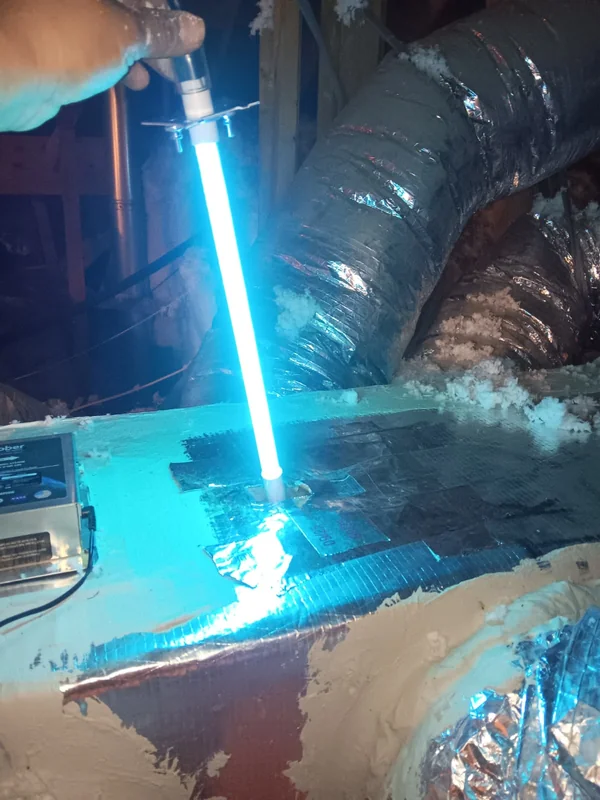
Local expertise plays a vital role in getting accurate and fair air duct cleaning estimates. Technicians who live and work in the same community understand the unique environmental conditions that affect ducts, such as humidity levels, regional pollen, and local building materials. These factors influence how fast dust, mold, and other debris accumulate inside the system. When you hire a local NADCA-certified provider, you benefit from knowledge built over years of experience with homes and businesses just like yours. Skilled professionals evaluate supply and return duct lengths, vent counts, and contamination type – whether it is dust, mold, pet hair, or post-construction residue. A proper estimate should include a detailed inspection checklist such as:
- Visual review of registers, coils, and air handler surfaces
- Testing of filter condition and duct integrity
- Use of cameras or borescopes for interior inspection
- Written outline of cleaning method, vent count, and sanitation options
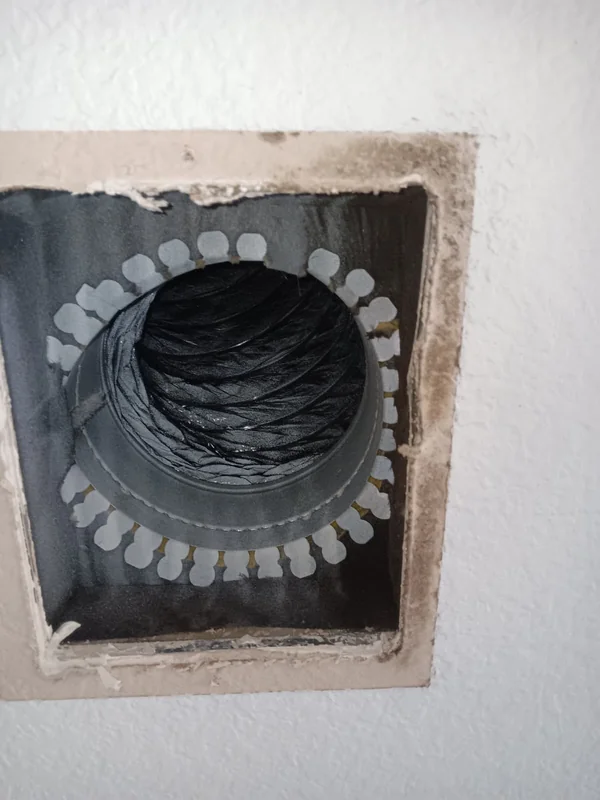
Avoid surprises by understanding pricing factors
Choosing a local air duct cleaning company provides homeowners with several clear advantages that go beyond simple convenience. Local specialists understand the regional climate, building standards, and common HVAC challenges that directly affect indoor air quality. When you hire nearby technicians, response times are faster, scheduling is easier, and customer communication is more straightforward. Because local teams rely heavily on community reputation, they take extra care to deliver trustworthy service that protects both your home and their standing within the neighborhood. Working with professionals who are part of your community also supports local employment and ensures that money stays in the regional economy. Experienced technicians can quickly identify duct materials and system designs typical for homes in the area, which helps produce more accurate estimates and tailored maintenance advice. The result is fewer unexpected add-ons and a smoother overall process. Local companies often collaborate with nearby suppliers for filters, disinfectants, and replacement parts, reducing supply delays and allowing for same-day adjustments if needed. Some also offer bundled discounts when homeowners schedule additional services like energy audits or duct replacement. Choosing a trusted local provider means better accountability, faster problem resolution, and the assurance that your system receives precise care designed for local conditions. (218 words)
Schedule Your Professional Air Duct Evaluation
Improve your indoor air quality and boost the efficiency of your HVAC system by contacting Crown Air Duct Cleaning St Cloud today. Our experienced technicians provide thorough inspections, honest assessments, and clear estimates, so you know exactly what your system needs for top performance. We clean, sanitize, seal, and repair with precision using industry-leading equipment that meets strict NADCA standards. Cleaner ducts mean lower energy bills, fewer allergens, and a healthier home environment. Do not let dust and debris build up another day – your comfort and safety depend on clean air flow. Call now or schedule online for your detailed evaluation and custom air duct cleaning cost estimate. Take action today and breathe cleaner air tomorrow.
FAQs
How do professionals calculate air duct cleaning costs?
Air duct cleaning costs are carefully determined by technicians who evaluate a range of measurable factors that directly influence the amount of labor, time, and equipment required. Key considerations include the total square footage of the home, the complete duct length, the quantity of supply and return vents, and the type of HVAC system operating within the property. The extent of dust, mold, or debris present inside the ducts plays a major role as well. Additional influences include whether specialized equipment – such as industrial vacuums, agitation brushes, or negative air machines – will be needed to achieve the desired results. Accessibility can further affect cost if ductwork runs through attics, basements, or tight crawlspaces. Reputable contractors often adhere to NADCA standards, conducting detailed inspections with photos or video to provide precise, transparent pricing and to avoid unreliable flat-rate estimates.
Is air duct cleaning really necessary?
Yes, when dust, debris, or microbial growth begins to collect inside air ducts, professional cleaning helps prevent limited airflow and reduces risks to indoor health. Over time, small particles from construction activities, household pets, cooking residue, or cigarette smoke can settle throughout the ductwork, mixing with moisture and forming layers that interfere with system performance. The U.S. Environmental Protection Agency states that cleaning ducts affected by visible mold growth, pest infestations, or excessive dust accumulation may improve both HVAC efficiency and indoor air quality. Regular attention to this maintenance can also reduce the spread of allergens and odors that circulate through vents. Homeowners should replace filters every few months, inspect vents for blockages, and arrange periodic system servicing to sustain proper airflow. Many HVAC manufacturers emphasize these steps to preserve warranty coverage and long-term performance.
How much does air duct cleaning typically cost?
Air duct cleaning costs can vary widely, generally ranging from a few hundred dollars to more than a thousand, depending on several key factors that determine both labor and material requirements. The complexity of the HVAC system, the level of contamination, and the accessibility of ducts all influence total pricing. Three main elements usually define overall cost:
- Site complexity – multi-zone or large HVAC systems demand additional time and labor, often requiring specialized equipment to reach all components.
- Material costs – the use of cleaning agents, sanitizers, or protective sealants directly impacts the final price since higher-quality materials ensure longer-lasting results.
- Total project scope – optional services such as vent repairs, sealing, or filter replacements can add to the overall cost but also improve system efficiency and indoor air quality.
Can homeowners clean their ducts themselves?
Light vacuuming around vents, registers, and grilles can help maintain a cleaner appearance, but thorough duct cleaning requires more advanced tools and safety measures. A full-system cleaning relies on negative pressure vacuums, rotary brush systems, and sealed containment to capture debris without releasing dust or allergens into the home. Typical household vacuums do not have the suction power, hose reach, or filtration capabilities needed to handle fine particles lodged deep inside ductwork. Attempting a do-it-yourself cleaning using compressed air or basic tools can push contaminants further through the system, reducing air quality and efficiency. Certified professionals follow NADCA guidelines that safeguard both your HVAC equipment and your indoor air. For most homeowners, relying on trained technicians is the safest and most effective option, ensuring coils, return plenums, and ducts are thoroughly cleaned and properly restored.
What are signs my air ducts need cleaning?
Key indicators that your air ducts may need attention include visible dust blowing from vents, a noticeable decline in airflow, or a sudden rise in allergy or respiratory symptoms among household members. You might also detect a musty or stale odor each time the heating or cooling system operates, suggesting mold or debris inside the ductwork. Other signs include rapid filter clogging, dust accumulation around return grilles, or dark streaks along vent openings. If your home has recently undergone renovations, experienced water damage, or had pest activity, a professional inspection is strongly recommended. Routine duct cleaning every 3 – 5 years, depending on occupancy level and environmental conditions, significantly reduces buildup and promotes better air circulation. Combining regular filter replacement with high-efficiency filtration options helps maintain cleaner ducts and ensures sustained HVAC performance.
What problems happen if ducts stay dirty?
Poorly maintained or contaminated air ducts can cause a wide range of performance problems and reduce overall indoor comfort. When layers of dust, lint, and debris gather in the ductwork, they obstruct airflow and force the HVAC system to work harder to achieve the desired temperature. This restriction not only strains critical components such as blowers, motors, and coils but also decreases efficiency and increases energy consumption. Over time, the additional mechanical stress can result in premature component failure, uneven temperature distribution between rooms, and unpleasant indoor air quality. Fine particles that coat evaporator coils interfere with heat exchange, preventing the system from cooling or heating effectively. Regular inspection, cleaning, and maintenance help restore normal airflow, protect essential parts, reduce energy costs, and keep performance consistent with HVAC manufacturer recommendations and established NADCA standards.
What should I look for when hiring a duct cleaner?
Seek out air duct cleaning professionals with NADCA certification, verifiable insurance, and a record of positive client feedback. These credentials demonstrate they follow recognized industry practices and safety standards. Before giving a firm estimate, a qualified technician should conduct a detailed in-person inspection of your entire system to determine the appropriate cleaning method and identify any problem areas. The company should use properly rated equipment designed to create negative pressure throughout the ductwork so dust and debris are fully captured rather than dispersed. Look for thorough explanations of each cleaning step and clear photo documentation that proves the results. Providers who comply with NADCA ACR standards show dedication to integrity and quality. Be wary of contractors who quote prices per vent without inspecting your layout, as this approach risks incomplete cleaning and unexpected costs. Reliable professionals will review tailored service options, such as sanitizer application or duct sealing, and explain whether these are beneficial for your specific situation.
What should I do if airflow suddenly decreases?
A sudden loss of airflow in your heating or cooling system typically indicates a blockage, collapsed duct, or clogged filter rather than a major emergency. The first step should be to inspect and replace dirty filters, since restricted airflow often starts there. Next, examine all accessible vents and registers for any dust buildup, furniture interference, or loose debris that may be blocking airflow. If the problem continues after these basic checks, it is essential to schedule a professional inspection. A trained technician can locate hidden duct leaks, collapsed sections, or internal debris that might be restricting circulation. Continuing to operate the system with poor airflow can strain the blower motor and compressor, raise energy consumption, and reduce equipment lifespan. A timely, professional evaluation helps remove obstructions safely and restore proper airflow, efficiency, and comfort throughout your home.