

My name is Ray S., and I’ve spent years helping Florida homeowners in St. Cloud breathe cleaner air. One thing I see all the time? People forget about their HVAC when they start a remodeling project. Drywall dust, sawdust, and debris can destroy your equipment fast. I’ve walked into homes where a simple kitchen upgrade led to a $3,000 repair bill. That happens when ducts fill with construction grit. This guide shows you exactly how to protect your HVAC equipment during construction.
Why Home Renovation Projects Put Your HVAC Equipment at Risk
Construction creates more airborne particles than most homeowners realize. Drywall sanding alone produces dust finer than 10 microns. That’s small enough to bypass standard filters and coat your evaporator coils. When those coils get dirty, your HVAC unit works harder. This drives up energy bills and shortens equipment lifespan.
I’ve seen HVAC furnace blower motors burn out six months after a renovation. The culprit? Fine particulate that got past the filter and seized the motor bearings. Your ductwork acts like a vacuum during construction. Every vent in your home pulls debris from the work area. Even projects in one room affect the rest of your home through connected airflow.
Florida’s humidity makes this worse. Dust mixes with moisture and creates a sticky film on components. This buildup is harder to clean and promotes mold growth inside your HVAC air handler. Catching these problems early prevents major repairs later.
Smart Steps to Protect Your HVAC During a Remodeling Project
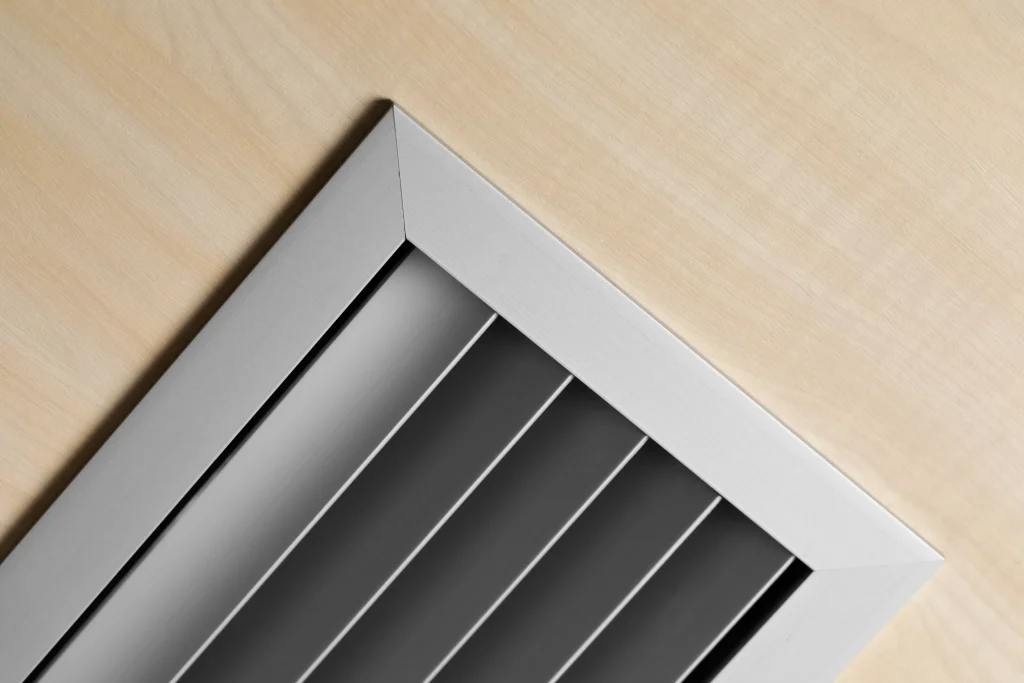
The best protection starts before the first hammer swings. Shut off your HVAC unit completely during heavy demolition and sanding phases. This keeps the blower from pulling particles through the ductwork. I recommend covering all supply and return vents with plastic sheeting and painter’s tape.
Create containment barriers using zip walls or plastic sheets between work zones and living spaces. This dust containment method is something every pro contractor uses. It keeps debris where it belongs. If you must run your unit, switch to a higher MERV-rated filter, at least MERV 13. These catch smaller particles that standard filters miss.
After work each day, wipe down surfaces near vents. This simple step prevents settled dust from getting sucked back into your HVAC air handler. You should also seal any gaps around ductwork boots where they meet walls or ceilings.
Change Your Air Filter More Often Than You Think
During active construction, your HVAC filter works overtime. The standard “every 90 days” rule goes out the window. I tell homeowners to check their filter weekly during any home renovation. You might need to change it every two to three weeks depending on the work being done.
A clogged filter restricts airflow. This forces your blower motor to work harder, which increases wear and energy use. I’ve measured static pressure in units where dirty filters reduced airflow by 40 percent. That kind of strain can trip safety switches or damage components.
Use pleated filters with MERV 11 to 13 ratings for renovation periods. Don’t go higher than MERV 16 without checking your HVAC unit’s specs. Higher ratings can actually restrict airflow too much in some units.
Florida Regulations Every Homeowner Should Know
Florida has specific codes that affect heating and air conditioning work during renovations. These aren’t suggestions. They’re requirements that protect your investment and your safety.
Florida Building Code, Energy Conservation (Section 101.4.7) – Requires sizing calculations for any total replacement of heating and cooling equipment. Consequences: permits can be denied without proper documentation.
2023 Florida Building Code, Mechanical 7th Edition – Mandates that all equipment operates smoothly and meets minimum SEER 14 ratings. Consequences: failed inspections and potential fines.
Florida Administrative Code Chapter 62-296 – Covers air quality requirements for construction projects, including dust control measures. Consequences: DEP complaints and possible work stoppages.
Always verify current code editions with your local building department before starting work. Requirements can vary by county.
Upgrading Your HVAC Equipment Is Easier During Renovation
A home remodeling project is the perfect time to evaluate your current heating and air conditioning setup. Walls are already open. Access is easy. Why not upgrade while you’re at it? Adding square footage changes your load calculations. Your old unit might not handle the new space efficiently.
I’ve helped homeowners install properly sized HVAC equipment during kitchen additions. The savings on monthly bills paid for the upgrade within three years. Florida’s heat demands efficient cooling. An outdated HVAC unit struggles and wastes energy. New units also come with better warranties when installed by licensed contractors.
Consider zoning if your renovation changes how you use different rooms. A home office addition might need independent temperature control. This prevents overcooling bedrooms just to keep your workspace comfortable.
Mini-Split Systems and Smart Thermostat Options
Ductless mini-split systems work great for room additions. They don’t require new ductwork, which saves money and installation time. Each indoor unit has its own thermostat for precise temperature control. I’ve installed mini-splits in Florida sunrooms where extending existing ducts wasn’t practical.
Smart thermostats pair well with any upgrade. They learn your schedule and adjust temperatures automatically. Many models alert you when filters need changing. Some even detect unusual cycling patterns that signal problems. Combining a smart thermostat with zoning gives you maximum control over home comfort.
How Ductwork and Vents Get Damaged During Construction
Your ductwork is more fragile than you think. Contractors walking in attics can crush flex ducts. Drywall installers sometimes push ducts aside and forget to reconnect them. I’ve found supply lines completely disconnected in crawl spaces after renovations finished.
Vent covers get stepped on, dented, or painted shut. Debris falls into open registers and creates blockages. One homeowner called me because half their house stopped getting airflow. A contractor had dropped drywall screws into a return vent. They collected at a bend and blocked 60 percent of the passage.
Seal all registers before work begins. Use magnetic covers on metal vents and tape plastic over others. After construction ends, schedule a professional duct inspection.
Keep Indoor Air Quality Safe and Your HVAC Running Strong
Protecting your unit during a remodeling project isn’t complicated. Cover your vents. Change your filters often. Shut down the HVAC unit during heavy dust work. These simple steps preserve your equipment and your indoor air quality.
Florida homeowners face unique challenges with humidity and heat. Your HVAC system works hard year-round. Don’t make its job harder by neglecting it during construction. Schedule a post-renovation inspection to catch any issues early. A little effort during your home renovation protects your investment for years to come.
Frequently Asked Questions
What are the first signs my HVAC was damaged during a home remodeling project?
Watch for weak airflow from vents, unusual noises from your air handler, or musty smells when the unit runs. Higher energy bills can also signal problems. Dust buildup on coils makes the unit work harder. Check your filter first. If issues persist after changing the filter, call a technician for inspection.
How long should I keep my HVAC off during renovation work?
Turn off your unit during any activity that creates airborne dust. This includes demolition, drywall installation, sanding, and tile cutting. Most homeowners keep units off for one to three hours during heavy work. Run the unit between sessions but change filters frequently. For multi-day projects, consider portable fans instead.
Can I clean my own ductwork after a home remodeling project?
You can handle basic cleaning by removing vent covers and vacuuming visible debris. However, most ductwork extends beyond your reach. Professional cleaning uses specialized equipment that reaches the entire length. I recommend professional service after major renovations, especially if drywall dust was involved.
Does home renovation affect my HVAC warranty?
It can. Most manufacturers require proper maintenance to keep warranties valid. Neglecting filter changes or allowing visible damage voids coverage. Document your protective measures during construction. Keep receipts for filter purchases and photos of covered vents. A post-renovation inspection creates a paper trail.
What filter rating should I use during a renovation project?
Use MERV 11 to 13 filters during active construction. Check your unit’s specs first, as some can’t handle high-MERV filters. Higher ratings restrict airflow in units not designed for them. After construction ends, return to your normal filter rating. Change filters every two weeks during renovation work.
When should I schedule professional HVAC maintenance after my home remodel?
Schedule a maintenance visit within two weeks of construction completion. A technician can clean coils, check refrigerant levels, and inspect ductwork connections. They’ll verify proper airflow and catch any hidden damage. Prevention costs far less than emergency repairs later.