

How to Remove Musty Smell From Air Ducts: A Complete Homeowner’s Guide
May 15, 2026
- By
- Crown Air Duct St.Cloud
- HVAC and Air Duct Specialists
At Crown Air Duct St.Cloud, we’ve been helping homeowners understand how to remove musty smell from air ducts for years. We’ve noticed that most people aren’t sure whether they need a simple filter change, a deep duct cleaning, or a larger moisture correction. This guide walks you through how to evaluate your options and avoid wasting money on short-term fixes. Ignoring that damp, earthy odor can cost more than comfort. In Kissimmee, we’ve seen a homeowner try masking the smell with sprays, only to discover microbial growth inside insulated flex duct that required partial replacement. Moisture and organic debris inside ductwork create the perfect environment for mold, which can impact indoor air quality and HVAC performance. If you’re already dealing with poor airflow or dust buildup, start by reviewing our air duct cleaning overview to understand the bigger picture.
What Works, What Doesn’t, and What to Watch For
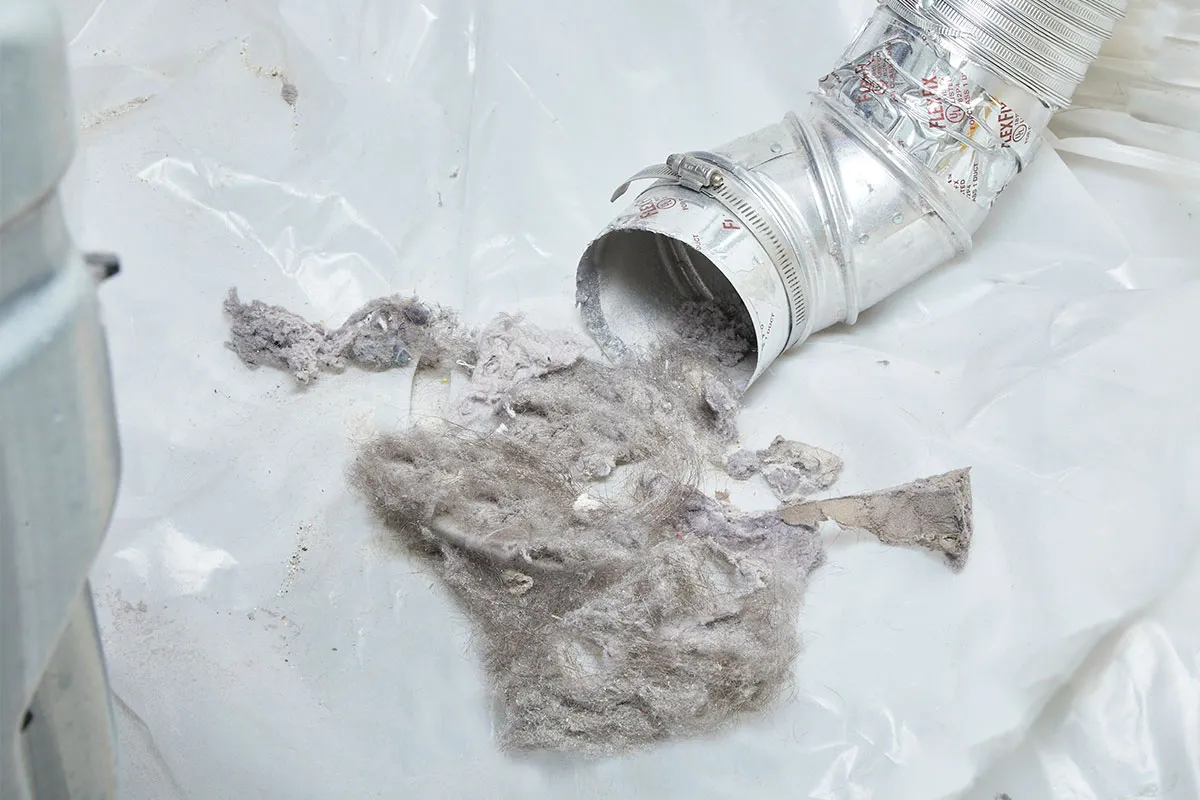
The most effective approach combines inspection, moisture correction, and mechanical cleaning. Any service that skips inspection is guessing. A proper evaluation includes humidity readings, visual inspection of supply and return trunks, and coil assessment. Here’s how common options compare:
- Filter replacement: Helpful if odor comes from accumulated dust, but it will not resolve microbial growth inside duct liners.
- DIY vent spraying: May temporarily reduce smell, yet often leaves moisture behind and can void HVAC manufacturer warranties if improper chemicals are used.
- Professional mechanical cleaning (NADCA-aligned): Uses negative air pressure, agitation devices, and HEPA filtration to physically remove debris and growth.
- Duct sealing and insulation repair: Essential if attic humidity or condensation is the root cause.
- Duct replacement: Necessary when flex duct insulation is contaminated beyond cleaning.
- Before-and-after photo documentation
- Protection of registers and flooring
- UL 181 mastic sealing where leaks are found
- Clear explanation of whether antimicrobial treatments are justified
Questions to Ask Before Scheduling Service
Before hiring a professional to address how to remove musty smell from air ducts, ask direct questions about process and standards. A thorough service typically follows these steps:
- System inspection with camera and moisture assessment
- Protection of home surfaces and vent covers
- Connection of a negative air machine to create suction
- Mechanical agitation using brushes or air whips
- Cleaning of blower compartment and evaporator coil if needed
- Sealing leaks and correcting insulation gaps
- Site complexity and attic accessibility
- Material costs for insulation or flex duct
- Total scope, including coil or blower cleaning
Get Clear Answers Before You Commit
If your home smells damp every time the AC runs, guessing won’t fix it. The right solution depends on whether the issue is contamination, condensation, duct leakage, or insulation failure. We evaluate the full system so you understand the cause before spending money on temporary fixes. Our team uses inspection tools, moisture readings, and industry-aligned cleaning standards to deliver solutions that last in Kissimmee’s humid climate. Whether you need targeted cleaning, duct sealing, or partial replacement, we’ll explain your options clearly and outline realistic next steps. Schedule an evaluation and get a plan built around performance, air quality, and long-term durability.
FAQs
Why do my air ducts smell musty when the AC turns on in Kissimmee?
In Kissimmee, high humidity is the most common cause. When warm, moist air enters attic ductwork or condenses around the evaporator coil, moisture can accumulate inside ducts. Dust and organic debris then provide a food source for microbial growth, producing a musty odor when the system cycles on. We often find that poorly sealed return plenums pull humid attic air into the system. Over time, that moisture settles on internal insulation or duct liners. If humidity inside the home regularly exceeds 60%, odors may persist even after cleaning. Checking drain lines, ensuring proper insulation around ducts, and confirming tight duct connections are essential steps. A system inspection with moisture readings usually reveals whether the problem is localized near the air handler or distributed throughout the duct network.
Will changing my air filter remove the musty smell?
Changing the filter is always a good starting point, but it rarely solves a persistent musty odor on its own. Filters capture airborne particles before they enter the blower compartment, yet they do not clean existing contamination inside ductwork or on the evaporator coil. If the smell disappears briefly after installing a new filter and returns within days, that often signals buildup deeper in the system. In our experience, musty odors tied to microbial growth require mechanical cleaning and moisture correction. High-efficiency pleated filters (MERV 8 – 11 for most residential systems) help reduce future debris accumulation, but they cannot reverse contamination that has already formed. We recommend pairing routine filter changes with periodic inspections, especially in humid climates like Kissimmee.
How much does it cost to remove a musty smell from air ducts?
Costs vary depending on the root cause. If the issue is limited to debris buildup, professional duct cleaning may typically start around $400 and range up to $900 for an average home. If contaminated flex duct must be replaced, costs could range from $1,000 to $3,500 or more depending on accessibility and extent. Pricing may fluctuate based on:
- Site complexity, including attic access and duct layout
- Material costs for insulation, sealants, or replacement duct
- Total scope, such as coil cleaning or drain line repairs
Can I remove a musty smell from air ducts myself?
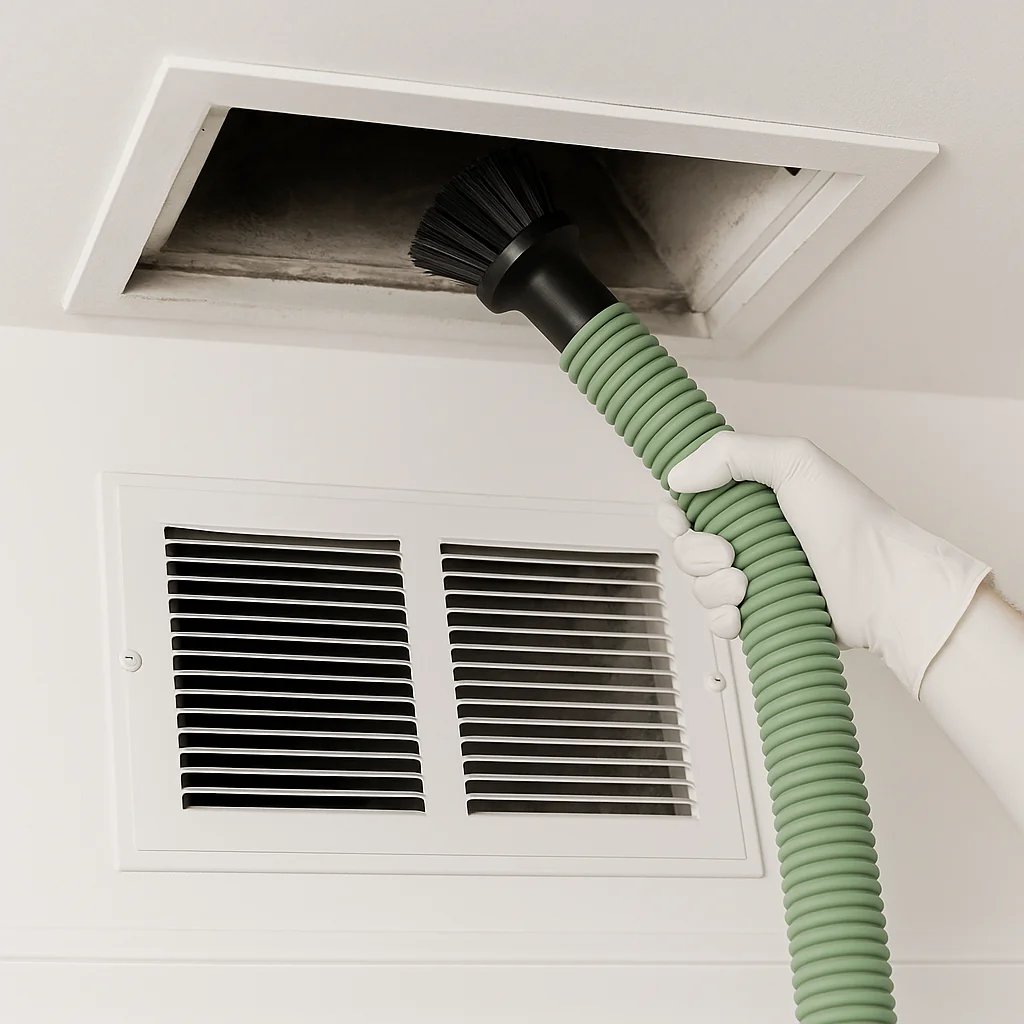
Homeowners can handle basic maintenance such as replacing filters, cleaning accessible vent covers, and ensuring drain lines are clear. You can also inspect visible duct connections for gaps and seal small leaks with UL 181-rated mastic if accessible. However, full duct cleaning requires specialized equipment like HEPA-filtered negative air machines and rotary agitation tools. Without proper suction, debris can become airborne inside the home. Applying liquid disinfectants inside ducts without addressing moisture can worsen the problem. If you suspect microbial growth, damaged insulation, or persistent condensation, professional inspection is the safer route. DIY efforts are best limited to surface-level maintenance, while deeper contamination and moisture correction typically require trained technicians.
What are the warning signs that my ducts need cleaning or repair?
Common warning signs include a persistent earthy smell when the system runs, visible dust blowing from vents, increased allergy symptoms, and uneven airflow. In more advanced cases, you may notice dark staining around vent registers or water marks near the air handler. We also advise checking humidity levels inside your home. If readings consistently exceed 60%, moisture may be accumulating inside ductwork. Rattling or whistling sounds can indicate loose connections that allow humid attic air infiltration. When odors return quickly after filter changes, that suggests contamination beyond the filter. Addressing these warning signs early helps prevent microbial growth from spreading and avoids larger repair costs later.
Are musty duct odors common in Kissimmee homes?
Yes, they are fairly common due to the region’s humidity and frequent air conditioning use. In Kissimmee, ductwork often runs through hot attic spaces where temperature differences create condensation. If ducts are poorly insulated or not properly sealed, moisture intrusion becomes more likely. Homes with older flex duct are especially vulnerable because internal insulation can trap moisture. We frequently see issues after roof leaks or heavy storms, where minor water intrusion goes unnoticed but affects duct liners. Regular HVAC maintenance and humidity control are key preventive steps. Installing a properly sized dehumidification strategy or ensuring correct system sizing helps reduce long-term odor risks.
What should I look for when hiring a duct cleaning professional?
Look for a provider that follows NADCA standards and uses mechanical source removal methods. Ask whether they use HEPA-filtered negative air machines and whether they provide before-and-after photo documentation. Confirm that technicians inspect the evaporator coil and drain pan rather than cleaning ducts alone. Proper licensing, liability insurance, and clear written estimates are also essential. A reputable provider will explain whether antimicrobial treatments are necessary instead of applying them automatically. Transparent communication about process, timeframe, and expected results helps ensure you receive comprehensive service rather than a quick surface cleaning.
Is a musty duct smell an emergency?
A musty odor is typically not an emergency, but it should not be ignored. While it rarely poses immediate danger, it can indicate moisture conditions that allow microbial growth to spread over time. If you notice water pooling near your air handler, shut off the system and check the condensate drain line for blockage. Replace the air filter and monitor whether the smell persists. If odors continue for more than a few days or worsen, schedule a professional inspection. Early intervention usually limits the scope of cleaning or repair and prevents more costly duct replacement later.