

Ever wonder what’s behind your walls, pushing cool or warm air through your home? That’s your ductwork doing the heavy lifting. I’ve spent years working with homeowners who had no idea what type of system they had. Understanding residential duct systems helps you make smarter decisions about repairs, upgrades, and energy bills. Whether you’re troubleshooting airflow issues or planning a renovation, knowing your setup matters. Let’s break down the different types so you can identify what’s in your home today.
What Are Residential Duct Systems and Why They Matter
Simply put, residential duct systems are the network of tubes that carry heated or cooled air throughout your home. Think of them as your home’s respiratory system. They connect your furnace or air handler to every room. Without properly designed ductwork, your HVAC equipment works harder than it should.
I’ve seen countless homes where the equipment was top-notch, but the ducts were a mess. Poor duct design leads to hot and cold spots, wasted energy, and higher utility bills. Your residential duct systems directly impact comfort and efficiency. When everything works together, you barely notice your system running. That’s the goal we aim for on every job.
Common Types of HVAC Ductwork Found in Homes
Not all ductwork looks the same. The type you have depends on your home’s age, layout, and original builder choices. Most residential duct systems fall into a few main categories. Each has pros and cons worth knowing about.
The three main types include sheet metal, fiberglass-lined, and fiberboard ducts. Sheet metal is the most durable and common material in newer construction. Fiberglass-lined ducts reduce noise but can trap dust over time. Fiberboard is affordable but less resistant to moisture damage. Knowing which type you have helps when planning repairs or upgrades.
Flexible Duct Options for Air Conditioning
Flexible ducts, or flex ducts, are exactly what they sound like. They bend and curve to fit tight spaces. I use these regularly in attics and crawl spaces where rigid materials won’t work. They’re affordable and quick to install.
However, flex ducts have some downsides. They can kink or sag if not supported properly. This creates airflow restrictions that hurt your air conditioning performance. Proper installation makes all the difference. When done right, flex ducts work great in residential duct systems as part of a larger setup.
Rigid Ductwork and System Design Choices
Rigid ductwork includes sheet metal and fiberboard options. These materials hold their shape and provide consistent airflow. Good system design uses rigid ducts for main trunk lines. This creates a solid backbone for your entire network.
I always recommend rigid materials for high-traffic airflow areas. They last longer and handle pressure better than flexible alternatives. Your system design should account for your home’s square footage and room layout. Proper sizing prevents common problems like weak airflow or noisy operation throughout the house.
Essential Duct System Components You Should Know
Your residential duct systems include more than just tubes. Several duct system components work together to move air efficiently. Understanding these parts helps you communicate with technicians and spot potential issues yourself.
Here are the main components in most setups:
- Supply ducts - carry conditioned air from your unit to rooms
- Return ducts - pull stale air back for reconditioning
- Registers and grilles - the visible vents on walls and floors
- Plenums - large boxes connecting ducts to your HVAC equipment
- Dampers - adjustable plates controlling airflow to different zones
Each component plays a specific role. When one fails, the whole system suffers. Regular inspections catch small problems before they become expensive headaches.
How Return Air Moves Through Your HVAC System
Return air is the unsung hero of comfortable homes. This is the air pulled back into your system for reheating or recooling. Without adequate return air pathways, your residential duct systems can’t function properly. Pressure imbalances develop quickly.
I’ve diagnosed many comfort complaints that traced back to blocked or undersized return ducts. Your HVAC system needs balanced airflow to work efficiently. Every room should have a way for air to return, whether through dedicated returns or transfer grilles. Closed doors without proper gaps can choke off this essential circulation.
Most homes need return vents in central locations on each floor. Some older homes only have one return near the furnace. This outdated design forces your equipment to work overtime. Upgrading return air pathways often solves persistent comfort issues.

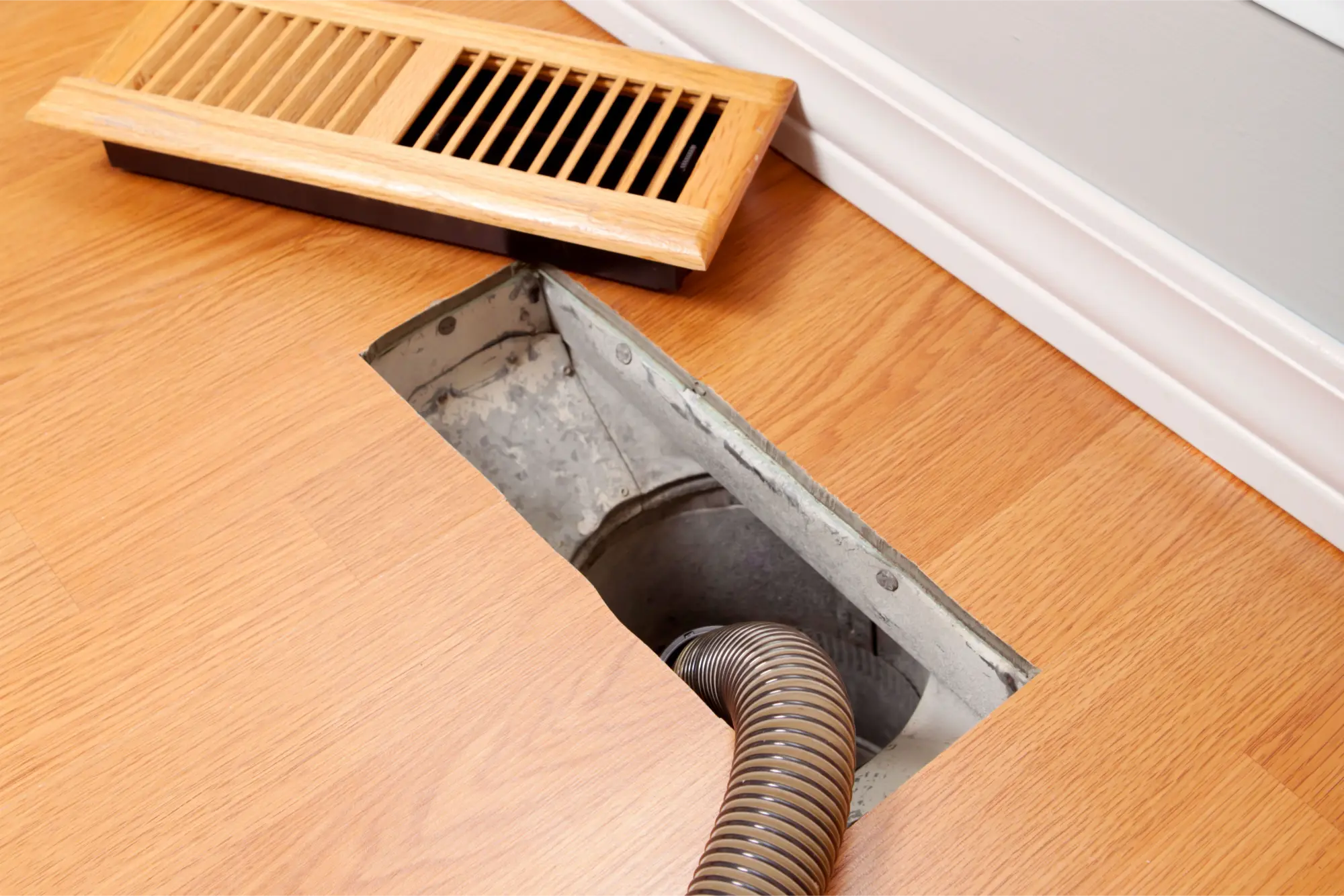
Cleaning and Maintenance for Your Air Duct System
Your air duct system collects dust, pet dander, and debris over time. Regular cleaning and maintenance keep everything running smoothly. I recommend professional duct cleaning every three to five years for most homes.
Between cleanings, change your filters monthly during heavy use seasons. Inspect visible ductwork for gaps, loose connections, or damage annually. Check for signs of leak issues, like dusty streaks near joints. Small leaks waste energy and let contaminants into your living spaces.
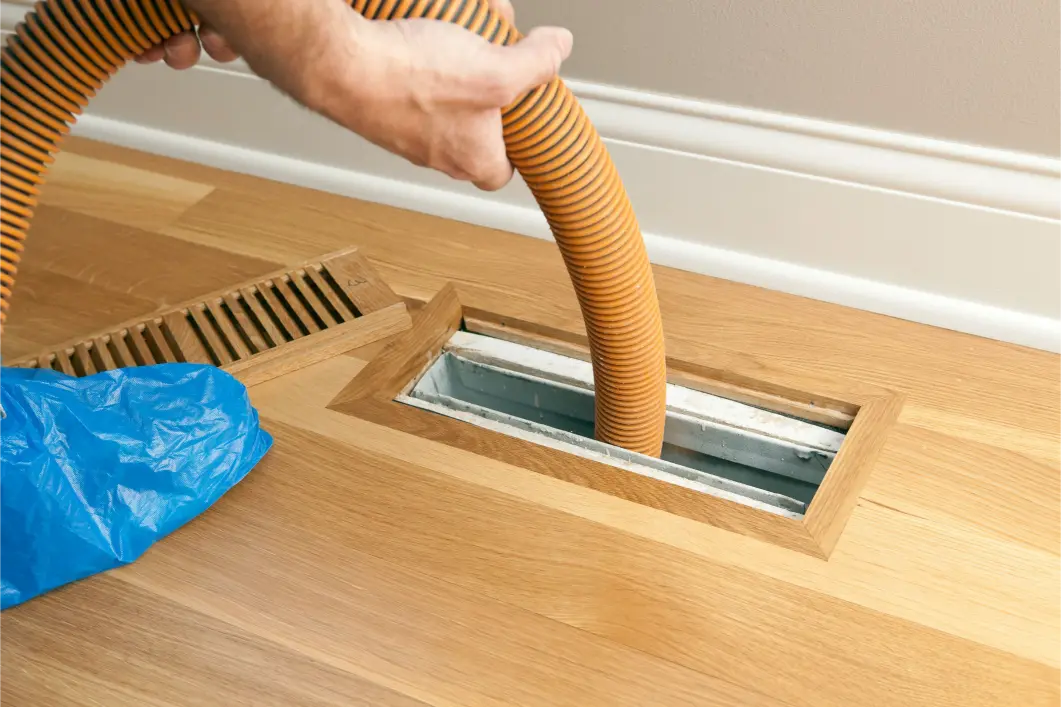
Don’t forget about your registers and grilles. Remove them periodically and wash away accumulated dust. This simple task improves airflow and indoor air quality. Your residential duct systems perform best when every component stays clean and sealed tight.
Choosing the Right Residential Duct Systems When Building a New Home
Building a new home gives you a fresh start with ductwork installation. This is your chance to get everything right from day one. Work with your builder and HVAC contractor to design an efficient layout early in the planning process.
Consider your climate, home size, and future needs when selecting materials. Insulated ducts work better in unconditioned spaces like attics. Proper sealing during ductwork installation prevents leak problems down the road. Ask about mastic sealant instead of tape for longer-lasting connections.
I always tell new homeowners to invest in quality now. Fixing poorly designed residential duct systems later costs significantly more. Take time to understand your options before construction begins. Your comfort and energy bills for years ahead depend on these decisions today.
FAQ
Q: How do I know if my ductwork has leaks?
A: Look for telltale signs like dusty streaks around vent connections or joints. Rooms that never reach the right temperature often indicate duct leaks. Higher than normal energy bills can also point to escaping air. You might hear whistling sounds near ductwork too. A professional can perform a pressure test to find hidden leaks accurately.
Q: How long do residential duct systems typically last?
A: Most ductwork lasts between 15 and 25 years with proper maintenance. Metal ducts on the longer end, flexible ducts on the shorter side. Factors like humidity, pest activity, and installation quality affect lifespan. Regular inspections help catch deterioration early. Replacing aging ducts often improves comfort and reduces energy costs significantly.
Q: Can I install ductwork myself to save money?
A: While possible for handy homeowners, I don’t recommend it for main system work. Proper sizing, sealing, and support require specialized knowledge. Mistakes lead to poor performance and wasted energy. Simple tasks like replacing a register are fine. Leave major ductwork installation to trained professionals for the best results.
Q: What size ducts does my home need?
A: Duct sizing depends on your home’s square footage, layout, and equipment capacity. HVAC professionals use Manual D calculations to determine proper dimensions. Undersized ducts restrict airflow and strain equipment. Oversized ducts waste energy and reduce air velocity. A load calculation ensures your system matches your specific needs.
Q: How much does professional duct cleaning cost?
A: Expect to pay between $300 and $500 for a typical single-family home. Larger homes or severely contaminated systems cost more. Be wary of extremely low prices, which often indicate incomplete service. Reputable companies inspect your entire system and provide before-and-after documentation. Quality cleaning protects your investment and improves air quality.
Q: Should I close vents in unused rooms to save energy?
A: This common practice actually hurts efficiency in most systems. Closing vents creates pressure imbalances that stress your equipment. Air finds other escape routes, often through leaks. Your system was designed for specific airflow patterns. Instead of closing vents, consider zoning systems for better control over different areas.