

Is your dryer taking forever to dry clothes? You might have a dryer vent blocked with lint and debris. This is way more common than you’d think. I’ve helped countless homeowners fix this exact problem over the years. A clogged vent doesn’t just waste your time; it wastes energy and creates real safety hazards. The good news? You can often handle this yourself with the right approach. Let me walk you through everything you need to know to get your system working properly again.
Signs Your Dryer Vent May Be Blocked
Your dryer gives you plenty of warning signs before things get really bad. The most obvious one? Clothes that stay damp after a normal cycle. I can’t tell you how many times I’ve seen people run two or three cycles for one load. That’s a clear sign something’s wrong with airflow.
Here are some other red flags to watch for:
- Feels super hot to the touch
- The laundry room gets unusually humid
- You smell a burning odor
- Lint builds up around the door
- It's been over a year since your last cleaning
When your dryer vent is blocked, the machine works harder than it should. You’ll notice higher energy bills, too. If you spot any of these signs, don’t ignore them. A dryer vent blocked with buildup only gets worse over time.
Why a Blocked Dryer Vent Is Dangerous
Here’s where things get serious. A dryer vent blocked with lint is actually a fire hazard. Lint is incredibly flammable. When hot air can’t escape properly, temperatures inside rise fast. This creates perfect conditions for a fire to start. The National Fire Protection Association reports thousands of fires happen every year.
Beyond fire risk, there’s also carbon monoxide to worry about. When exhaust can’t flow outside, dangerous gases can back up into your home. This is especially true with certain types. Your family’s safety depends on keeping that vent clear and functioning properly.
Gas Dryer Risks You Need to Know
If you have a gas version, the stakes are even higher. Gas models produce carbon monoxide during normal operation. A clear vent pushes those fumes safely outside. But when your dryer vent is blocked, that exhaust has nowhere to go. It can seep back into your laundry room and spread through your house.
Carbon monoxide is odorless and colorless. You won’t know it’s there until symptoms appear. Headaches, dizziness, and nausea are early warning signs. This is why I always tell gas owners to stay on top of vent maintenance. It’s not just about efficiency; it’s about keeping your family safe.
How to Clean a Clogged Dryer Vent Safely
Alright, let’s get into the actual cleaning process. First, gather your supplies. You’ll need a vacuum, a brush, and ideally a proper cleaning kit. Take your time with this job. Rushing through it means you might miss spots where lint is packed in tight.
Start by pulling the dryer away from the wall carefully. You want good access to that vent connection in the back. Make sure you have enough room to work comfortably. I usually give myself at least three feet of space. This makes the whole job easier and safer.
Disconnect and Unplug the Dryer First
Safety first, always. Before you touch anything, unplug it from the electrical outlet. For gas models, turn off the gas supply valve behind the unit. Then disconnect the duct from the back of the machine. Most connections use a simple clamp you can loosen by hand or with a screwdriver.
Once everything is disconnected, you can really see what you’re dealing with. I’ve pulled out lint clumps the size of softballs from some vents. It’s honestly kind of amazing how much buildup happens. Check both ends of the duct, the part attached to the dryer and the section going into the wall.

Use a Dryer Vent Cleaning Kit to Clean the Lint
Now it’s time to really clean the lint out of there. A cleaning kit is your best friend here. These kits come with flexible brushes that reach deep into the ductwork. Attach the brush to a drill for easier rotation. Push it through the entire length of the vent.
Work slowly and pull the brush back frequently. You’ll be surprised how much debris comes out. After brushing, vacuum everything thoroughly. Pay special attention to the connection points where lint loves to accumulate. When your dryer vent is blocked this badly, it might take several passes to get it completely clear.
Inspect the Vent and Check the Outside Vent
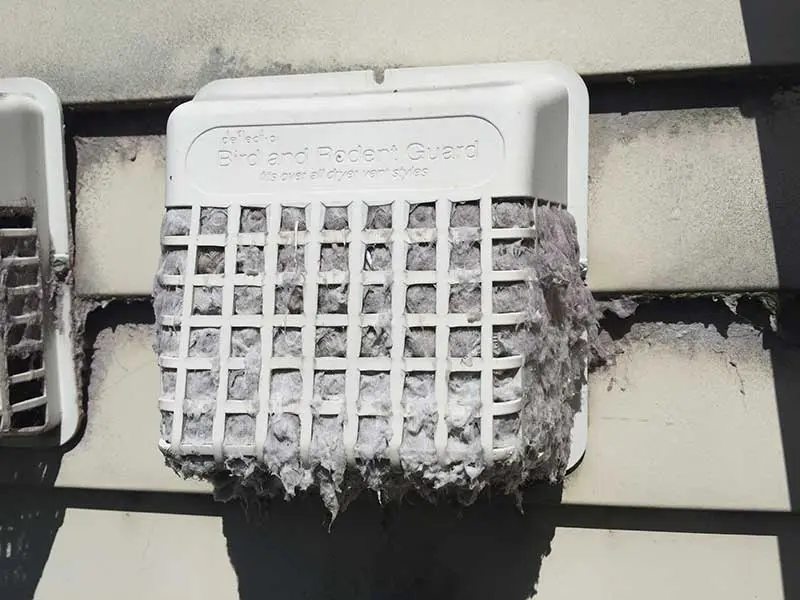
Don’t forget about the exterior portion of your system. Head outside and locate where the vent exits your home. This is usually on an exterior wall near the laundry room. Check the outside vent flap to make sure it opens and closes freely.
Sometimes, bird nests, leaves, or debris block the exterior opening. I once found a whole family of mice living in someone’s vent cover. Clear away anything blocking airflow. The flap should open easily when you push it. If it’s stuck or damaged, replace it. A properly functioning exterior vent prevents pests and weather from getting inside.
Dryer Vent Maintenance to Prevent Future Problems
Cleaning once won’t solve the problem forever. Regular maintenance keeps your dryer vent clear and your home safe. I recommend cleaning the full vent system at least once a year. If you do lots of laundry, every six months is better.
Between deep cleanings, empty the lint trap after every single load. This simple habit dramatically reduces buildup in the vent. Also, avoid using sheets excessively. They leave a residue that traps more lint over time. Keep the area around your dryer clean, too. Dust and debris near the machine can get sucked into the system.
When Your Dryer Vent Is Blocked, Act Fast
A dryer vent blocked with lint isn’t something to put off fixing. The longer you wait, the bigger the problem becomes. Fire risk increases every day that the buildup is there. Your dryer works harder, wears out faster, and costs more to run.
Take action as soon as you notice warning signs. Most homeowners can handle basic cleaning themselves. But if your vent runs a long distance or has multiple bends, consider calling a professional. Either way, keeping that vent clear protects your home, your dryer, and your family. Make it a regular part of your home maintenance routine.
Frequently Asked Questions
Q: How often should I clean my dryer vent to prevent blockages?
A: Most homes need a thorough vent cleaning once per year at a minimum. However, larger households doing more laundry should clean every six months. Always empty the lint trap after each load, too. If you notice clothes taking longer to dry, clean them sooner rather than later. Regular maintenance prevents dangerous buildup and keeps your running efficiently.
Q: Can I clean my dryer vent myself, or do I need a professional?
A: Many homeowners successfully clean their vents with a basic cleaning kit. Short, straight vents are especially DIY-friendly. However, long vents, those with multiple turns, or vents on upper floors can be tricky. If you’re uncomfortable working behind the dryer or can’t reach the full length, hire a professional for a thorough job.
Q: What happens if I ignore a clogged dryer vent?
A: Ignoring the problem creates serious risks. Lint buildup is a major fire hazard that causes thousands of home fires yearly. Your dryer also overheats and wears out faster. Energy bills increase because the machine works harder. For gas dryers, carbon monoxide can back up into your home. Always address issues promptly.
Q: How do I know if my outside vent is working properly?
A: Go outside while the dryer runs and check the flap. It should open, and you should feel warm air flowing out. If the flap stays closed or airflow seems weak, there’s likely a blockage inside. Also check for visible debris, nests, or damage to the cover itself.
Q: How do I know if my outside vent is working properly?
A: A burning smell usually means lint is overheating inside the vent or dryer. Stop using the dryer immediately. This is a warning sign of potential fire risk. Clean the lint trap, check for blockages, and inspect inside the dryer drum. If the smell continues after cleaning, call a technician.
Q: How long does it take to clean a dryer vent properly?
A: Basic cleaning takes about 30 to 45 minutes for most homeowners. This includes disconnecting the dryer, brushing the vent, vacuuming debris, and checking the exterior. Heavily clogged vents or longer duct runs take more time. Professional services typically complete the job in about an hour.