

So you’re wondering if an indoor dryer vent actually works. Maybe you live in an apartment without exterior access. Or perhaps running ductwork outside just isn’t possible in your home. We get this question all the time from homeowners facing tricky laundry setups. The short answer is yes, they can work well under the right conditions. But there are important things you need to know first. Let’s break down how these systems function and whether one makes sense for your situation.
What Is an Indoor Dryer Vent and How Does It Work?
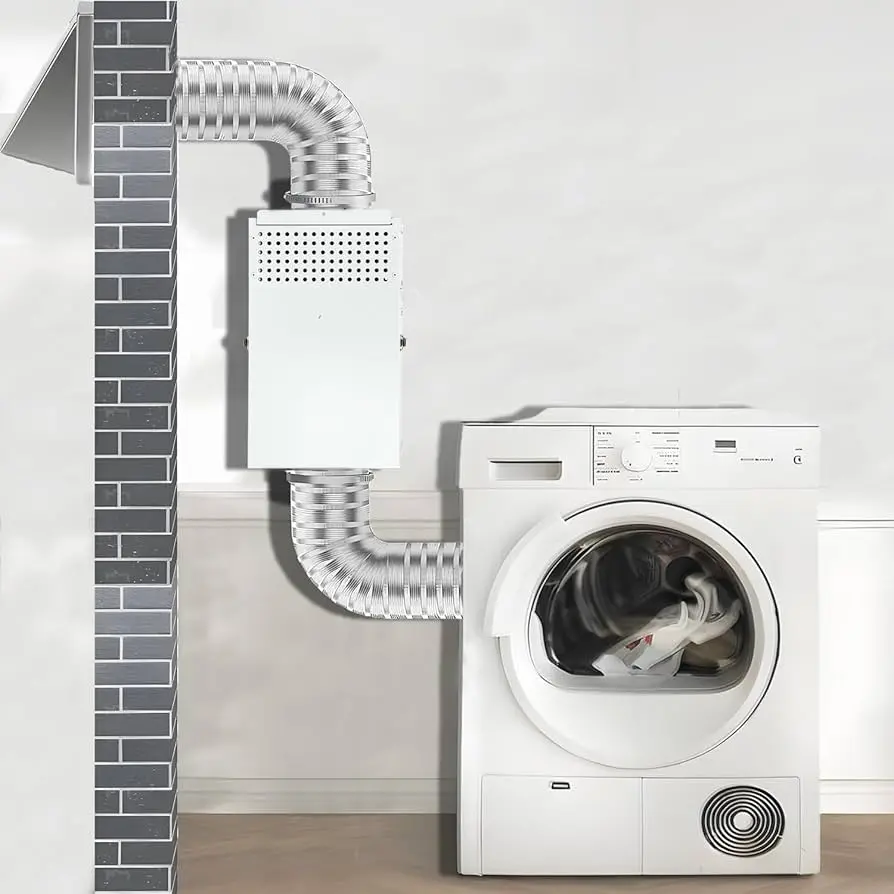
An indoor dryer vent redirects your dryer’s hot air back into your living space. Instead of pushing moisture and lint outside, it captures everything inside a small container. Most kits include a box that fills with water to trap lint particles. The warm air then releases into your room.
I’ve installed dozens of these systems over the years. They’re pretty straightforward once you understand the basics. You simply disconnect your existing duct from the wall. Then you connect it to the indoor unit instead. The whole setup takes about fifteen minutes for most people. Just remember that these only work safely with electric dryers, never gas models.
When Does Dryer Venting Inside Make Sense?
Some homes simply can’t accommodate traditional outdoor venting. Basement laundry rooms often face this challenge. Condos and apartments frequently lack exterior wall access, too. In these cases, dryer venting inside becomes your best option.
We’ve helped countless renters solve this exact problem. When you can’t drill through walls, indoor options save the day. They’re also useful for temporary laundry setups. Maybe you’re renovating and need a quick solution. These kits provide flexibility that permanent ductwork can’t match. Just keep your space well-ventilated to prevent moisture buildup.
Electric Dryers and Your Exhaust Options
Here’s something crucial to understand about exhaust systems. Gas dryers produce carbon monoxide during operation. This makes indoor venting extremely dangerous with gas models. Electric dryers only produce moisture and lint, which are manageable indoors.
Your exhaust choices depend entirely on your dryer type. If you have an electric model, indoor kits are fair game. We always ask customers about their dryers before recommending anything. Using an indoor dryer vent with gas appliances could seriously harm your family. Stick with electric only, and you’ll avoid major safety issues.
The Pros of Using an Indoor Dryer Vent Kit
Let’s talk about why people love these systems. First, installation requires zero special tools or skills. Second, you keep all that warm air inside during the winter months. This can actually lower heating costs a bit. Third, no exterior penetrations mean no pest entry points.
Here are the main benefits we see:
- Easy installation without professional help
- Adds warmth and humidity to dry winter air
- No holes needed in exterior walls
- Perfect for apartments and rental properties
- Budget-friendly compared to ductwork installation
Many customers tell us their indoor dryer vent solved years of frustration. They finally have a working laundry setup that fits their space.
Understanding the Cons of Indoor Dryer Vents
Now for the honest truth about downsides. These systems add moisture to your home. In humid climates, this creates problems fast. You might notice condensation on windows or walls. Excess humidity encourages mold growth over time.
We always recommend indoor dryer vents with caution for this reason. Your home needs adequate ventilation to handle the extra moisture. Small spaces struggle more than larger ones. Also, you’ll need to empty the water reservoir regularly. Skip this step, and lint escapes into your room. The cons of indoor dryer vents are manageable but real.
How a Filtration System Keeps Your Air Clean
A quality filtration system makes all the difference here. Basic kits use water to capture lint particles. Better models include actual filters that trap finer debris. These require regular cleaning or replacement to work properly.
We’ve tested various filter types in our work. Multi-stage systems catch the most particles by far. Look for units with both water basins and secondary filters. This combination keeps your air much cleaner. Without proper filtration, lint dust spreads throughout your home. Your indoor air quality suffers as a result.
Air Duct and Duct Cleaning Tips for Better Performance
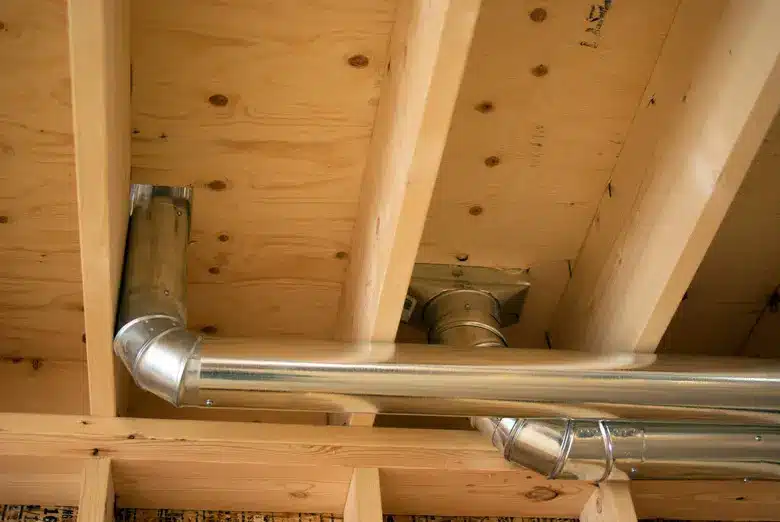
Your air duct system needs attention, too. Lint builds up inside flexible tubing over time. This reduces airflow and makes your dryer work harder. Clean connections mean better performance overall.
We recommend inspecting your duct every few months. Disconnect it and look inside for buildup. Shake out loose debris into a trash bag. Use a vacuum attachment for stubborn lint clumps. Proper duct cleaning extends your dryer’s lifespan significantly. It also helps your indoor dryer vent function at peak efficiency.
Why Professional Dryer Vent Cleaning Services Matter
Sometimes DIY maintenance isn’t enough. Professional dryer vent cleaning services go deeper than home methods. Technicians use specialized tools to clear stubborn blockages. They also inspect for damage or wear you might miss.
We recommend professional cleaning at least once yearly. More frequent service helps if you do heavy laundry loads. Clogged vents cause fires more often than people realize. Professionals spot warning signs before problems develop. Investing in expert service protects both your equipment and home.
Final Thoughts on Your Indoor Dryer Vent Setup
So does an indoor dryer vent really work? Absolutely, when used correctly. Electric dryers paired with quality kits perform great in many homes. Just stay aware of moisture levels and maintain your filters regularly.
We’ve seen these systems work wonderfully for the right situations. Apartments, basements, and renovation projects all benefit from indoor options. Keep your space ventilated and clean your equipment often. Your indoor dryer vent will serve you well for years. Just remember the key rules we’ve discussed today. And never, ever use these kits with gas dryers.
Frequently Asked Questions
Q: Can I use an indoor dryer vent with a gas dryer?
A: No, never use an indoor dryer vent with gas dryers. Gas models produce carbon monoxide during operation. This dangerous gas must be vented outside your home. Indoor venting with gas dryers creates serious health risks. Stick with electric dryers only for indoor applications. If you have a gas dryer, you’ll need traditional exterior venting instead.
Q: How often should I empty the water basin in my indoor vent kit?
A: Empty the water basin after every one to two loads. The basin fills quickly during normal operation. Letting it overflow defeats the purpose of the filtration system. Lint escapes into your room when water levels get too high. Make emptying part of your regular laundry routine for best results.
Q: Will an indoor dryer vent make my home too humid?
A: BetterVent indoor dryer vent products offer superior filtration compared to basic kits. They capture more lint and maintain cleaner indoor air. The higher price reflects better build quality and performance. For frequent laundry users, the investment pays off over time.
Q: How do I know if my indoor dryer vent filter needs replacement?
A: Check your filter monthly for visible lint buildup and discoloration. Reduced dryer performance indicates a clogged filter. Clothes taking longer to dry are another warning sign. Most manufacturers recommend replacement every three to six months, depending on usage.
Q: Can indoor dryer vents cause mold problems in my home?
A: Yes, improper use can lead to mold growth. Excess moisture creates ideal conditions for mold development. Prevent problems by ensuring good ventilation during operation. Address any condensation on windows or walls immediately. Regular home monitoring helps catch issues early before mold takes hold.