

Air Duct Replacement Cost in St Cloud FL (2026): What Homeowners Should Expect
May 5, 2026
- By
- Crown Air Duct St.Cloud
- HVAC Air Duct Specialists
Air duct replacement in Kissimmee typically ranges from $3,500 to $9,500 for a standard single-family home in 2026, depending on layout, materials, and system size. At Crown Air Duct St.Cloud, we’ve been helping homeowners understand air duct replacement cost St Cloud FL for years, and we’ve noticed most price differences come down to hidden installation variables – not just square footage. We recently inspected a home in Kissimmee where the owner thought they only needed minor sealing. Instead, we found deteriorated flex duct with torn vapor barriers in the attic, leaking conditioned air into insulation. That homeowner had been paying higher energy bills for two summers before calling us. When ductwork fails in Florida’s humid climate, the cost isn’t just replacement – it’s wasted energy, moisture damage, and reduced indoor air quality. If you’re already researching air duct cleaning in Kissimmee, it may be time to evaluate whether replacement is the smarter long-term investment.
What Professional Installation Should Include

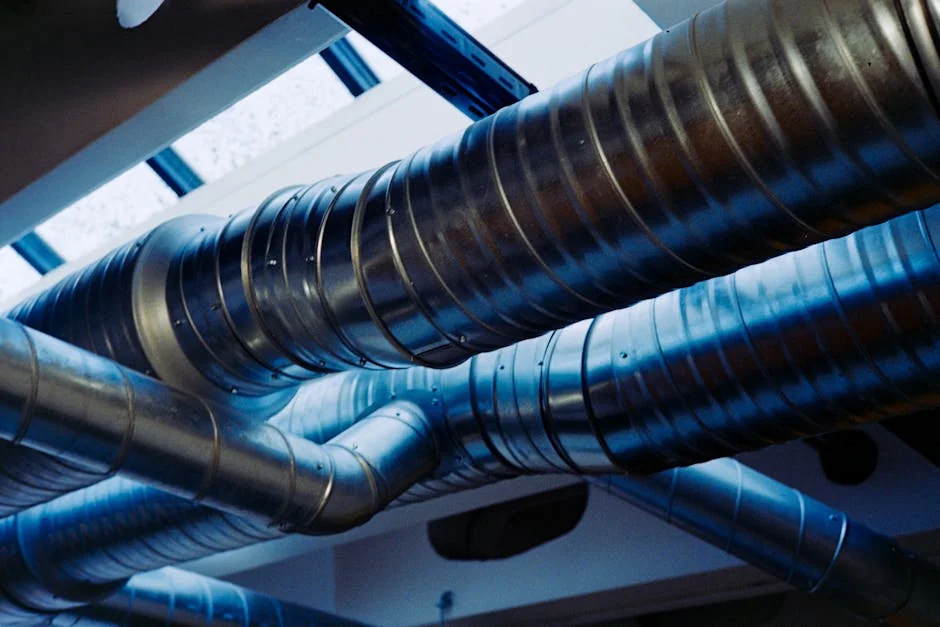
Proper duct replacement requires design accuracy, code compliance, and meticulous sealing. Cutting corners during installation leads to long-term performance problems. We approach every project with airflow calculations and material standards first, not demolition. Florida building requirements and the Florida Building Code (Energy Conservation, Section R403.3) require ducts to be sealed and insulated to minimum R-values, typically R-6 to R-8 in attics. Professional installation should include:
- Manual D duct sizing calculations to match HVAC capacity
- R-8 insulated flex duct in unconditioned attic spaces
- Mastic-sealed joints and UL 181-rated foil tape at connections
- Proper strapping and support every 4 feet to prevent sagging
- Balanced supply and return airflow verified with a manometer
What Impacts Pricing and Project Timelines
Most homeowners underestimate how layout complexity influences Air Duct Replacement Cost in St Cloud FL (2026). Square footage matters, but attic accessibility and system design often drive price differences. Typical replacement projects in Kissimmee may range from $3,500 to $9,500 for average homes. Larger two-story properties or complex zoning systems can exceed that range. Projects usually take 1 to 3 days depending on scope. Cost typically fluctuates based on:
- Site complexity (tight attic access, multi-level layouts, structural obstructions)
- Material costs (R-8 insulation, metal trunk lines, supply plenums)
- Total scope (full system replacement vs. partial branch replacement)
Get a Clear, No-Pressure Duct Evaluation
If you’re unsure whether your ductwork needs minor repair or full replacement, we can help you make a data-driven decision. Our team evaluates airflow, insulation condition, leakage levels, and attic layout before recommending next steps. You’ll receive a clear explanation of what’s failing, why it matters, and what options fit your home and budget. We focus on long-term performance, not quick fixes that lead to repeat problems. Whether you’re planning ahead or responding to rising energy bills, a professional assessment gives you clarity. Schedule a low-pressure evaluation and get straightforward answers about your duct system.
FAQs
How do I know if I need full duct replacement or just repairs in Kissimmee?
Start by considering the age and overall condition of your duct system. In Kissimmee, many homes built more than 15 – 20 years ago still use original flex duct that may have deteriorated insulation or failing inner liners. If only one section is damaged – such as a disconnected branch line – targeted repair can work. However, if we find widespread air leakage, crushed ducts, or mold-contaminated insulation, replacement often makes more financial sense. We typically perform a visual attic inspection and, when needed, a duct leakage test to measure air loss. If leakage exceeds acceptable thresholds or multiple runs show structural failure, repairing isolated sections may only delay the inevitable. Homes with uneven temperatures in several rooms or persistent humidity issues often benefit more from full replacement than piecemeal fixes.
Does replacing ductwork really lower energy bills?
It can, especially if your existing ductwork is leaking or improperly sized. When ducts lose conditioned air into an attic, your HVAC system runs longer cycles to reach thermostat settings. In humid climates like Kissimmee, that extended runtime increases both cooling costs and wear on the compressor. After replacement, homeowners often notice more balanced airflow and shorter cooling cycles. Properly sealed R-8 insulated ducts reduce thermal loss and prevent condensation. While savings vary, improved duct efficiency can reduce strain on the system and stabilize monthly utility expenses. The biggest benefit is often comfort consistency – rooms cool evenly instead of creating hot and cold zones.
What is the average timeline and cost for duct replacement in 2026?
For a typical single-family home, duct replacement may range from $3,500 to $9,500 in 2026. Larger homes or complex multi-zone systems might exceed that range. Most projects typically take between 1 and 3 days, depending on attic access and system size. Pricing may fluctuate based on:
- Site complexity
- Material costs
- Total scope
Can homeowners replace air ducts themselves?
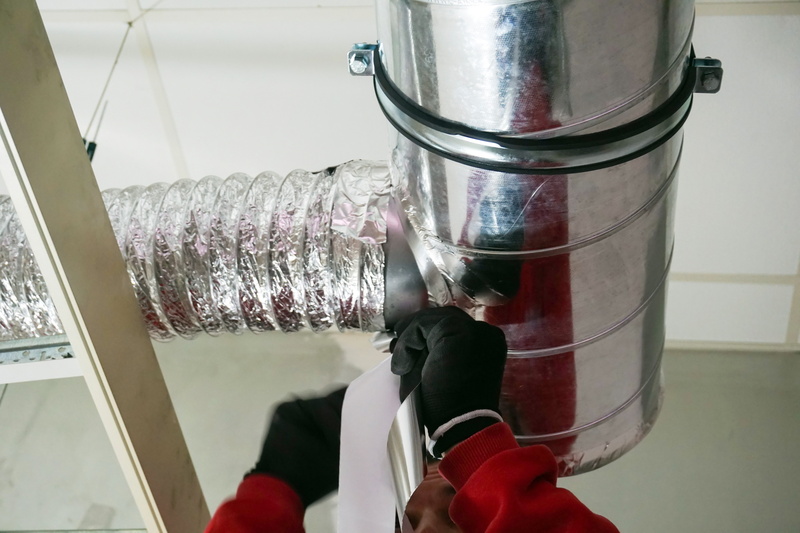
Small visible duct reconnections may seem manageable, but full system replacement requires airflow calculations, code compliance, and proper sealing techniques. Incorrect sizing or poorly sealed joints can create static pressure problems that reduce HVAC performance. DIY installations often skip Manual D calculations and proper support strapping, leading to sagging ducts and airflow restriction. In Florida, duct sealing and insulation must meet building code requirements. Improper installation can also affect manufacturer warranties on HVAC equipment. For minor accessible repairs, homeowners can reattach a loose vent boot with UL-rated foil tape. However, full replacement should involve professionals who understand load calculations, airflow balancing, and moisture control.
What are the main warning signs of failing ductwork?
Common indicators include uneven temperatures between rooms, excessive dust accumulation, and musty odors from supply vents. In Kissimmee, humidity-related issues such as condensation on duct surfaces or deteriorated insulation are especially concerning. You might also notice higher energy bills without changes in thermostat settings. In attics, visible crushed flex duct, disconnected joints, or torn vapor barriers suggest structural failure. If your HVAC system was recently replaced but airflow problems persist, outdated ductwork could be the bottleneck. Routine attic inspections every few years help catch early signs before widespread damage occurs.
Why is ductwork more vulnerable in Kissimmee homes?
Kissimmee’s high humidity and long cooling seasons place continuous demand on duct systems. Attic-installed ducts face extreme heat exposure, which can degrade insulation and weaken outer vapor barriers over time. Moisture intrusion becomes a bigger concern when ducts leak conditioned air into hot attics, creating condensation. Older homes may also have undersized returns that struggle with modern high-efficiency HVAC systems. These environmental factors accelerate wear compared to milder climates. Routine inspections and proper R-8 insulation help protect against humidity-related deterioration and energy loss.
What should I look for when hiring a duct replacement contractor?
Look for contractors who perform Manual D calculations and inspect the attic before quoting. Proper licensing, liability insurance, and familiarity with Florida Building Code standards are essential. A reputable provider explains insulation ratings, sealing methods, and airflow testing procedures. If a company offers a flat quote without reviewing duct layout or system size, that signals incomplete planning. Ask whether they use mastic sealant and UL 181-rated tape, and whether post-installation airflow verification is included. Transparent scope details and written proposals protect you from unexpected changes during the project.
Is duct replacement ever urgent?
Duct replacement is rarely an emergency in the same way as HVAC breakdowns, but certain conditions warrant prompt attention. Severely disconnected ducts, visible mold contamination, or major air leakage can waste energy and degrade indoor air quality quickly. If you notice strong musty odors, sudden airflow loss in multiple rooms, or insulation debris blowing from vents, schedule an inspection soon. While you can temporarily adjust thermostat settings to reduce strain, delaying evaluation may increase energy costs and humidity issues. Most situations allow time for a scheduled assessment rather than same-day emergency service.