

How Often Should Air Ducts Be Cleaned? A Homeowner’s Complete Guide
March 10, 2026
- By
- Crown Air Duct Cleaning St Cloud
- Air Duct Cleaning Specialists
At Crown Air Duct Cleaning St Cloud, we have spent years helping homeowners carefully evaluate their Air Duct Cleaning options and make informed decisions. One of the most common questions we hear is simple: how often should air ducts actually be cleaned? The answer depends on several factors, and this guide is designed to help you prioritize safety, system performance, and long term value. If you are comparing service providers, it is important to first understand what a thorough home duct cleaning service should include, from detailed inspections to proper debris removal and system testing. Ignoring duct maintenance can quietly increase utility bills and allow dust, allergens, and other contaminants to circulate throughout your home. We have inspected HVAC systems that had not been cleaned in more than ten years. In many cases, thick layers of debris restricted airflow at the supply trunks, forcing the blower motor to work harder than necessary and reducing overall efficiency. Frequency is not one-size-fits-all, and choosing the wrong cleaning schedule can lead to higher energy costs, unnecessary repairs, and shorter equipment lifespan.
How to Compare Providers, Methods, and Warning Signs
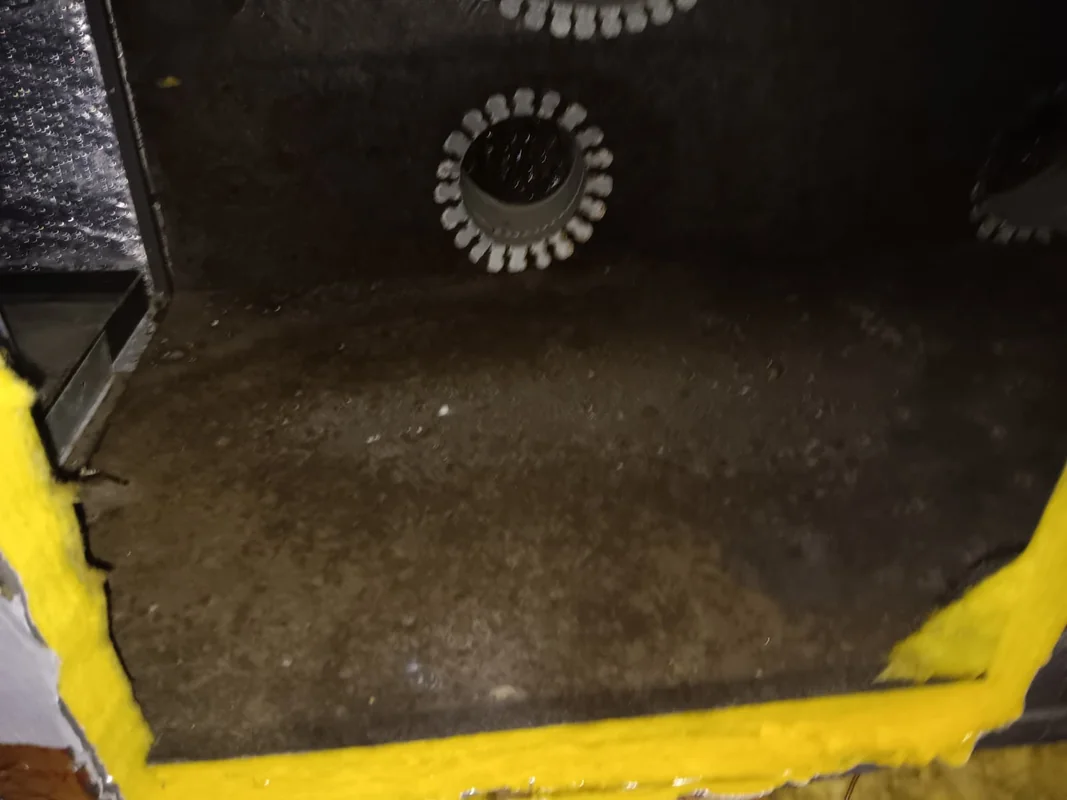
The most important best practice is full-system cleaning performed under negative pressure. Surface-level vacuuming at registers does not remove debris deep inside branch lines. Professional service should align with NADCA’s ACR Standard and manufacturer guidelines for your furnace or air handler. When comparing options, consider the following:
- Source-removal method: The contractor should use a high-powered vacuum collection device vented outside or equipped with HEPA filtration, combined with agitation tools such as rotary brushes or air whips.
- System-wide scope: Supply ducts, return ducts, blower compartment, evaporator coil (if accessible), and drain pan should be addressed.
- Before-and-after verification: Reputable providers document results with photo or video inspection tools.
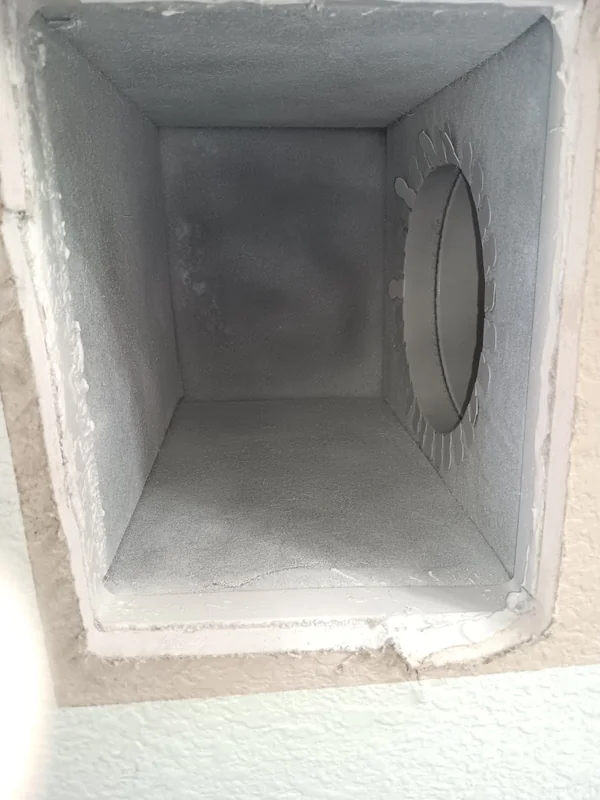
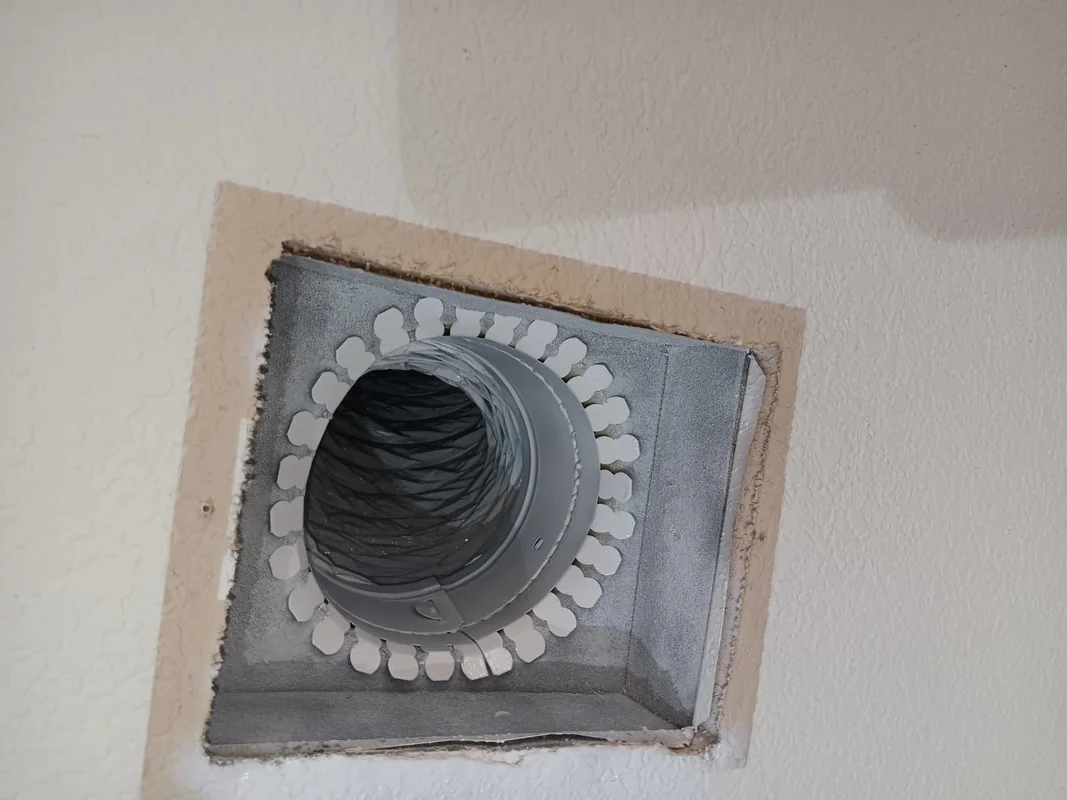
- Proper access panels: Technicians should create and seal access openings according to HVAC code standards, not cut random holes.
Questions to Ask and What the Process Looks Like
For most households, Air Duct Cleaning may be appropriate every three to five years. However, you might schedule sooner if you’ve completed major renovations, experienced water intrusion, or notice visible dust discharge from vents. When interviewing a professional, ask:
- Do you follow NADCA’s ACR Standard for full-system cleaning?
- Will you clean the blower motor, housing, and evaporator coil if accessible?
- How will you protect flooring and furnishings during service?
- Do you measure static pressure before and after cleaning?
Get Clear Guidance Before You Commit
Choosing the right air duct cleaning schedule is one of the smartest decisions you can make for your home’s air quality, comfort, and HVAC lifespan. Dust, debris, and hidden contaminants can quietly reduce efficiency, increase energy bills, and circulate allergens throughout your living space. Do not wait until performance drops or health concerns arise. Take control now. At Crown Air Duct Cleaning St Cloud, we inspect your system carefully, explain exactly what we find, and provide honest recommendations based on real evidence, not sales pressure. You will know what needs attention, why it matters, and how it benefits your home. Cleaner ducts can mean fresher air, better airflow, lower utility costs, and extended equipment life. If you have noticed uneven temperatures, musty odors, or rising energy bills, this is the perfect time to act. Call today to schedule your professional evaluation and get clear answers you can trust. Your home deserves clean air now.
FAQs
How do I know if my air ducts actually need cleaning?
Start with observable signs inside the home. Remove a supply register and use a flashlight to look into the ductwork. A thin layer of light dust is common and usually harmless, but thick buildup, clumps of debris, construction residue, pest droppings, or visible mold growth are not normal and should be addressed. Pay attention to how quickly dust returns to furniture and surfaces after cleaning. If rooms feel dusty again within a day or two, the duct system may be contributing to the problem. Persistent musty or stale odors when the HVAC system runs can also signal contamination inside the ducts. Uneven airflow, such as certain rooms feeling stuffy while others receive strong airflow, may indicate blockages or heavy buildup. Professional evaluation goes beyond visual inspection. Technicians measure static pressure and airflow to determine whether the system is operating within manufacturer specifications. Elevated pressure readings can suggest restricted ducts or clogged components. Homes with pets, smokers, water damage, or recent remodeling projects often accumulate debris more quickly. Industry guidelines recommend inspection before scheduling cleaning, so a qualified assessment helps determine whether full Air Duct Cleaning is necessary or if improved filtration, duct sealing, or routine HVAC maintenance will resolve the issue.
Does Air Duct Cleaning improve indoor air quality?
Air Duct Cleaning can improve indoor air quality when ductwork contains excessive dust, construction debris, pet dander, or other contaminants that are actively circulating through the HVAC system. When buildup becomes significant, normal airflow can distribute fine particles into living spaces each time the system runs. In homes that have recently undergone renovations or repairs, it is common for drywall dust and other fine materials to settle inside return lines and supply ducts. After professional cleaning with negative pressure equipment and mechanical agitation tools, many homeowners report reduced visible dust on surfaces and fewer complaints of throat or eye irritation. That said, if your duct system is already clean and you consistently use properly fitted MERV rated filters that are replaced on schedule, the overall improvement may be modest. Air duct cleaning is not a cure all for allergies or respiratory concerns. Source control, including balanced humidity levels, effective filtration, sealing duct leaks, and routine HVAC maintenance, plays an equally important role. The most effective approach is to evaluate whether your duct system is actually contributing to airborne particulates before scheduling service.
How much does Air Duct Cleaning usually cost and how long does it take?
Residential air duct cleaning services generally begin at approximately $400 and can reach $900 or more depending on the size and layout of the home. Most standard projects are completed within three to six hours, though larger homes or systems with significant buildup may require a full day to complete properly. Pricing varies based on several factors, including the number of vents, accessibility of the ductwork, number of HVAC units, and overall system condition. For instance, a small single story home with easily accessible ducts will typically cost less than a multi level property with multiple air handlers, complex duct runs, or restricted attic and crawl space access. Homes that have not been cleaned in many years or that show signs of heavy dust, debris, or microbial growth may also require more extensive service. Optional add on services such as evaporator coil cleaning, blower motor cleaning, or sanitizing treatments can increase the total investment. These price ranges are general estimates for planning purposes only. A detailed on site inspection is necessary to provide an accurate and customized quote.
Can I clean my air ducts myself?
Homeowners can remove vent covers and vacuum visible dust around supply and return openings, and this basic upkeep can help reduce loose debris near the surface. However, full Air Duct Cleaning involves far more than what can be reached from the register area. Professional equipment is designed to place the entire duct system under strong negative pressure while specialized agitation tools loosen dirt, pet dander, construction debris, and other contaminants from deep within branch lines and main trunks. Household vacuums simply do not generate the airflow or filtration strength needed to capture fine particles throughout the network. In some cases, do it yourself attempts can damage flexible ductwork, tear inner liners, or disturb insulation, leading to costly repairs. We have also encountered systems where debris was pushed deeper into the ductwork, increasing airflow restriction and reducing efficiency. Homeowners should focus on routine maintenance such as changing filters regularly and keeping vents clean. Comprehensive cleaning of supply trunks, return ducts, blower compartments, and evaporator coils should be performed by trained technicians who follow established NADCA standards and proper containment procedures.
What are the warning signs that ducts have been neglected too long?
Watch for visible debris blowing from vents, persistent musty odors when the system is running, and rooms that consistently fail to reach the thermostat setting. If you notice excessive dust collecting on furniture just a few days after cleaning, that can point to circulation or filtration problems within the duct system. Pay attention to clogged return grilles, dark streaks forming around vent covers, or uneven airflow between rooms, as these are common signs of restriction or buildup inside the ducts. Reduced airflow can limit how effectively heated or cooled air moves through the home, making your system work harder than necessary. In more severe situations, heavy debris accumulation may restrict airflow across the heat exchanger or evaporator coil, increasing the risk of overheating. This added strain can wear down motors, reduce efficiency, and shorten overall equipment life. If you have recently completed a remodeling project, installed new flooring, or experienced any form of water intrusion, it is wise to schedule a professional inspection promptly rather than waiting for comfort or performance issues to worsen.
What common problems do you find inside residential duct systems?
We frequently discover construction debris, heavy pet hair buildup, poorly sealed joints, and even fully disconnected flex duct sections in attics or crawl spaces. These hidden issues can significantly compromise system performance and indoor air quality. When connections are not properly sealed, dust and insulation particles from unconditioned spaces are drawn directly into the ductwork and circulated throughout the home. Another common problem is crushed, sagging, or sharply kinked flex duct, which restricts airflow and increases static pressure inside the system. As resistance rises, the blower motor must work harder and longer to maintain comfort, leading to higher energy consumption and premature component wear. In addition, we often find microbial growth in systems affected by chronic moisture problems. This is typically linked to clogged condensate drain lines, poorly insulated ducts that sweat, or high indoor humidity levels. Simply removing visible debris is not enough. Addressing the root causes, such as improving humidity control, restoring proper insulation, and sealing connections with mastic or UL-181 rated tape, is essential for long term system efficiency and healthier indoor air during Air Duct Cleaning.
What should I look for when hiring an Air Duct Cleaning company?
Look for clear adherence to NADCA standards, proof of current liability insurance, and detailed explanations of the scope of work. A reputable provider should clearly describe the source removal method they use, outline the expected timeframe for completion, and explain the specific steps they take to protect floors, walls, and furnishings during service. Ask whether the entire HVAC system will be cleaned, including supply and return ducts, coils, drain pans, blower components, and air handlers, rather than just the visible vents. Request before and after photo documentation to confirm the work performed and demonstrate accountability. Written estimates should list all included components, identify any optional treatments, and explain potential additional costs. Companies that hesitate to explain their process or advertise unusually low flat rates often exclude essential system elements. Verifying credentials and confirming that technicians are trained in HVAC system components helps ensure your investment delivers measurable, long term results.
Are there situations where Air Duct Cleaning should be scheduled sooner than planned?
Yes. You should schedule duct inspection and possible cleaning sooner after major remodeling projects, fire or smoke events, or any water damage that affects the duct system. These situations can introduce dust, debris, soot, moisture, and other contaminants that standard HVAC filtration is not designed to handle. Construction work often releases fine particles that settle deep inside ductwork, while smoke residue can cling to interior surfaces and continue circulating odors. Water intrusion is especially concerning because damp conditions inside ducts create an environment where mold and bacteria can grow. If you notice visible mold growth, a persistent musty smell, or unusual debris coming from vents, arrange a professional assessment promptly. Avoid running the HVAC system continuously until it has been inspected, as airflow can spread contaminants throughout the home. Replace the air filter immediately and visually examine any accessible duct sections for signs of damage or buildup. Although many situations are not urgent emergencies, delaying action after water exposure can allow microbial growth to spread and worsen. A timely professional evaluation will determine whether cleaning, sealing, repair, or component replacement is required. Acting quickly helps protect indoor air quality, maintain system efficiency, and prevent more costly repairs later.