

What Happens During Professional Air Duct Cleaning?
February 17, 2026
- By
- Alex G
- Owner of Crown Air Duct Cleaning
I’m Alex G, Owner of Crown Air Duct Cleaning, and after years of hands on experience working inside residential HVAC systems, I have learned that most homeowners are not completely sure what happens during professional air duct cleaning or how to determine if they are receiving real value for their investment. Many people assume that once a technician shows up and removes a little visible dust, the job is done. In reality, proper duct cleaning is far more detailed and systematic. This guide will help you carefully evaluate your options and understand exactly what a thorough cleaning should include before you commit to a service provider. I have walked into homes where a so called $99 special meant someone ran a small shop vacuum at a single vent for 20 minutes and then left. The homeowner believed the system was clean, yet heavy dust and debris were still packed deep inside the main trunk line and return ducts. Poor workmanship does not just waste money – it allows contaminants to continue circulating through your home. If you are comparing providers, start by reviewing what true professional home duct cleaning services should actually involve, including full system access, proper agitation tools, and negative air pressure equipment.
How to Compare Providers, Spot Shortcuts, and Protect Your HVAC System
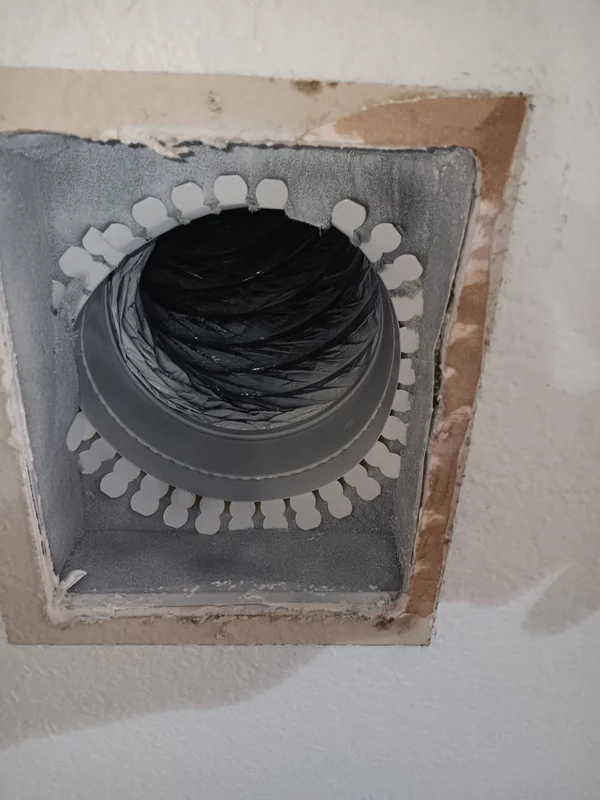
The most important best practice is simple: a professional cleaning must create negative pressure throughout the duct system before agitation begins. Without containment, loosened debris spreads into the home. Quality work follows a defined sequence and documented standard. When comparing companies, I suggest reviewing these criteria:
- Full-system scope: Cleaning should include supply ducts, return ducts, air handler cabinet, blower motor, and accessible coil surfaces.
- HEPA-filtered equipment: Negative air machines should exhaust through HEPA filtration to prevent cross-contamination.
- Access panels: Technicians may cut service openings in trunk lines and seal them with code-compliant metal plates afterward.
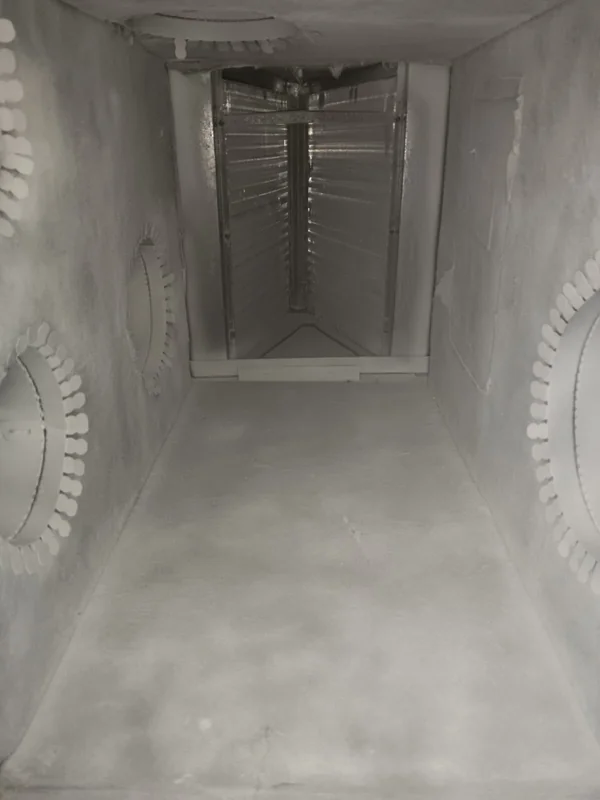
- Before-and-after verification: Photo documentation inside trunk lines and plenums demonstrates results.
- Compliance with NADCA ACR Standard: This ensures source removal rather than cosmetic cleaning.
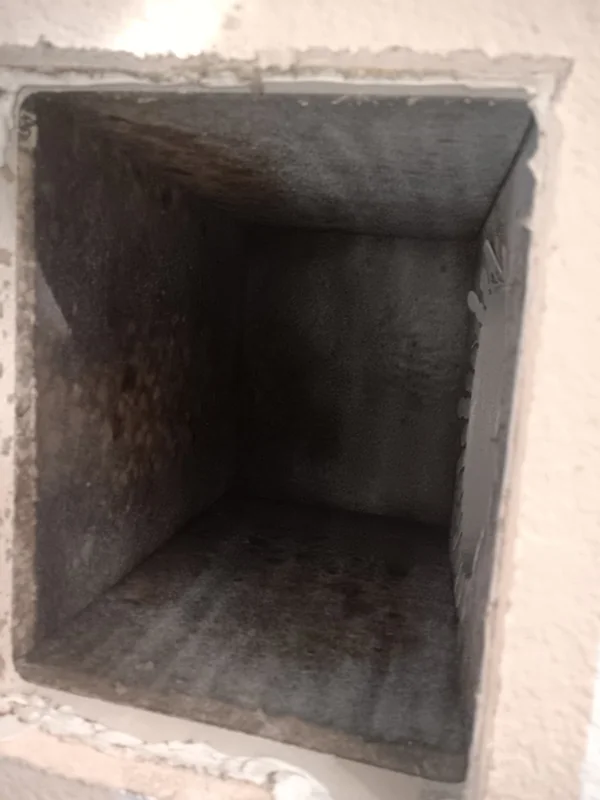
Questions to Ask and What the Cleaning Day Looks Like
If you’re evaluating what happens during professional air duct cleaning, ask direct questions about process and verification. A reliable company should walk you through each stage. On cleaning day, our process typically follows this order:
- Pre-inspection of duct layout and HVAC components.
- Protection of floors and furniture near registers.
- Connection of a HEPA-filtered negative air machine to the main trunk line.
- Agitation using rotary brushes or compressed air tools.
- Cleaning of blower assembly and accessible coil surfaces.
- Sealing of access panels and final airflow check.
Get Expert Guidance Before You Commit
Choosing the right provider makes the difference between a surface-level cleaning and a measurable improvement in airflow and system performance. At Crown Air Duct Cleaning, we follow recognized industry standards, document our work, and explain each step so you understand exactly what you’re paying for. If you’re evaluating options or unsure whether your system truly needs cleaning, we can assess your ductwork, inspect key components, and provide a clear recommendation based on condition – not guesswork. Our goal is simple: protect your HVAC investment and improve indoor air quality without unnecessary upselling. Before committing to any offer, get a professional evaluation and detailed scope of work so you know exactly what happens during professional air duct cleaning in your home.
FAQs
How do I know if my air ducts actually need cleaning?
I look for specific indicators rather than guessing. Visible debris inside supply or return vents, excessive dust buildup shortly after cleaning surfaces, musty odors when the system runs, or recent renovation work are common triggers. If you remove a register and see matted dust along the duct walls or clumps near turns and joints, that’s a sign of accumulation beyond normal levels. Another indicator is reduced airflow in certain rooms. When blower wheels and ducts are coated with debris, static pressure can increase and limit distribution. I also recommend inspection if you’ve had water intrusion in the HVAC system or signs of rodent activity. A professional inspection using a camera scope inside trunk lines provides clarity. In many cases, we show homeowners real-time images so they can decide based on evidence instead of marketing claims.
Will professional air duct cleaning improve indoor air quality?
Air duct cleaning can improve indoor air quality, but only when contamination is actually present and the work is completed according to proper industry standards. If ductwork contains accumulated dust, pet dander, construction debris, or microbial growth resulting from past moisture problems, thorough source removal reduces the amount of material available to circulate throughout the home. That said, ducts are only one component of the overall HVAC system. I always assess the air filter rating, including the MERV level, the condition of return air sealing, and the consistency of routine HVAC maintenance. In many cases, a high quality pleated filter with a MERV rating that matches the manufacturer’s specifications has a greater day to day impact on air quality than duct cleaning alone. When cleaning is performed correctly using HEPA filtered negative pressure equipment combined with mechanical agitation tools, embedded debris is fully removed rather than loosened and redistributed. Noticeable improvements are most common in homes with prior system neglect, recent remodeling dust, or long gaps between filter replacements.
How much does professional air duct cleaning cost and how long does it take?
For most single family homes, professional air duct cleaning typically ranges from 400 to 1,200 dollars, depending on the size of the property and the complexity of the HVAC system. Larger homes with multiple systems, long duct runs, or extensive return lines can exceed this range. Pricing is influenced by several factors, including accessibility of attic or crawlspace areas, the condition of the ductwork, contamination level, and the total number of supply and return vents. Homes with a single system generally require 3 – 5 hours to complete. Properties with two systems or restricted access areas may require a full day to ensure proper cleaning. Homeowners should be cautious of unusually low promotional offers that do not clearly outline the scope of work. A comprehensive service includes cleaning trunk lines, branch runs, return ducts, blower assembly, and accessible evaporator coil housing, not just vacuuming vent covers. These figures are general benchmarks provided for informational purposes only. A detailed, on site evaluation is necessary to deliver an accurate and binding proposal tailored to the specific property.
Can I clean my air ducts myself?
You can clean vent covers and vacuum reachable duct openings, and I encourage homeowners to do that as part of regular maintenance. Removing registers and washing them with mild detergent helps reduce surface dust. What DIY methods cannot accomplish is full-system source removal. Household vacuums lack the airflow capacity and HEPA containment required to create negative pressure throughout the duct system. Without that containment, loosened debris can circulate into living spaces. I’ve seen homeowners use brush kits attached to drills, which sometimes dislodge debris without capturing it. In a few cases, flexible ducts were damaged by aggressive tools. Professional equipment is calibrated for duct materials and includes sealed access panels for safe agitation. DIY is suitable for light surface cleaning. For deep contamination, post-renovation debris, or airflow restrictions, professional service is the safer option.
How often should air ducts be cleaned?
There is no single timetable that fits every household when it comes to air duct cleaning. The National Air Duct Cleaners Association recommends cleaning on an as needed basis rather than following a rigid annual schedule. In practical terms, many homes see noticeable benefits every 3-5 years, but that range can vary widely depending on several factors. The number of occupants, the presence of shedding pets, recent renovation projects, local climate conditions, and the consistency of filter replacement all influence how quickly dust and debris accumulate inside the system. Homes with multiple pets, ongoing construction, or residents who have allergies or respiratory sensitivities may require inspection and possible cleaning sooner. On the other hand, a tightly sealed duct system combined with high quality filters that are changed regularly may remain clean for longer periods. I strongly recommend annual HVAC inspections during which a qualified technician examines blower components, coils, and accessible ductwork. Preventive steps such as sealing return leaks, maintaining proper humidity levels, and upgrading filters within manufacturer specifications can significantly extend the time between professional cleanings.
What problems can dirty air ducts cause?
The most common issue is airflow restriction caused by accumulated dust and debris inside the duct system. As particles settle along duct walls and collect on blower blades, the system must work harder to move air throughout the home. Reduced airflow lowers overall efficiency and often leads to longer run times, which increases energy consumption and places added strain on internal components. Over time, that extra demand can shorten the service life of the blower motor and other mechanical parts. Dirty ductwork can also circulate construction debris, insulation fragments, or pest remnants back into occupied spaces, affecting both cleanliness and comfort. Moisture intrusion creates additional concerns. If condensation or humidity enters the ductwork, microbial growth may develop on internal insulation, around coil housings, or near drain components. I have also encountered systems where excessive buildup restricted airflow across the heat exchanger, contributing to overheating conditions. This is a mechanical risk, not just an indoor air quality issue. Addressing debris accumulation helps protect system performance, reduce component strain, and maintain manufacturer warranty compliance.
What should I look for when hiring an air duct cleaning company?
Begin with certification and proper documentation. Choose a provider that follows NADCA standards and is willing to clearly explain their equipment, cleaning methods, and containment procedures. A trustworthy company should describe how they protect your home during the process, including the use of negative air pressure, sealed access points, and debris collection systems. Ask directly whether they clean the entire HVAC system or only the visible duct runs. A complete service should include supply and return ducts, registers, grilles, the blower motor, evaporator coil, and main trunk lines. Always verify that the company carries active liability insurance and workers compensation coverage. Request a written scope of work that outlines every component to be serviced, along with a clear breakdown of pricing. Before and after verification, such as photos or video inspection, should be included. Be cautious of quotes that are significantly lower than competitors without a proper inspection, as these often exclude essential components. Clear communication, transparent pricing, and adherence to recognized industry standards help protect both your HVAC system and your long term investment.
When should I schedule air duct cleaning, and is it ever urgent?
Air duct cleaning is rarely considered an emergency service, but there are specific situations where prompt attention is appropriate. For example, cleaning should be scheduled quickly after major renovations or remodeling projects, as construction dust and debris can accumulate inside the ductwork and circulate throughout the home. Immediate service is also recommended if you notice visible debris blowing from vents, confirmed rodent or pest intrusion, or signs of water contamination inside the ducts. Moisture in ductwork can encourage mold growth and should be inspected without delay. If unusual or musty odors occur when the HVAC system is running, remove a vent cover and carefully check for visible buildup or obstructions. Replace a clogged HVAC filter right away, as restricted airflow can worsen indoor air quality and strain the system. Avoid operating the system if standing water is suspected until a professional evaluation is completed. In most cases, routine dust buildup without noticeable symptoms does not require urgent action. Plan duct cleaning alongside seasonal HVAC maintenance or after home improvement projects to minimize airborne debris. A qualified technician can determine whether immediate cleaning is necessary or if filter replacement, minor sealing adjustments, or targeted repairs will resolve the issue effectively.