

Your air conditioner suddenly stopped cooling your home, and you’re wondering what went wrong. The problem might be your HVAC compressor. This critical component keeps your whole cooling system running smoothly. When it fails, you’re stuck in the heat. We get it – you want answers fast. The good news is that some HVAC compressor issues are easy to spot and understand. Let’s walk through the troubleshooting process together so you can figure out what’s happening with your system and decide on the best next steps.
Signs Your HVAC Compressor Isn't Working
Your AC unit gives you warning signs before it completely fails. Listen for strange noises coming from the outdoor unit. Grinding, clicking, or rattling sounds mean something’s wrong inside. Does your system run but never cool your home? That’s a major red flag pointing to HVAC compressor problems.
Check your energy bills too. A failing HVAC compressor works harder but produces less cooling. This means your electricity costs jump significantly. You might also notice the outdoor unit vibrating more than usual or the system cycling on and off constantly.
Understanding How Your AC Compressor Works
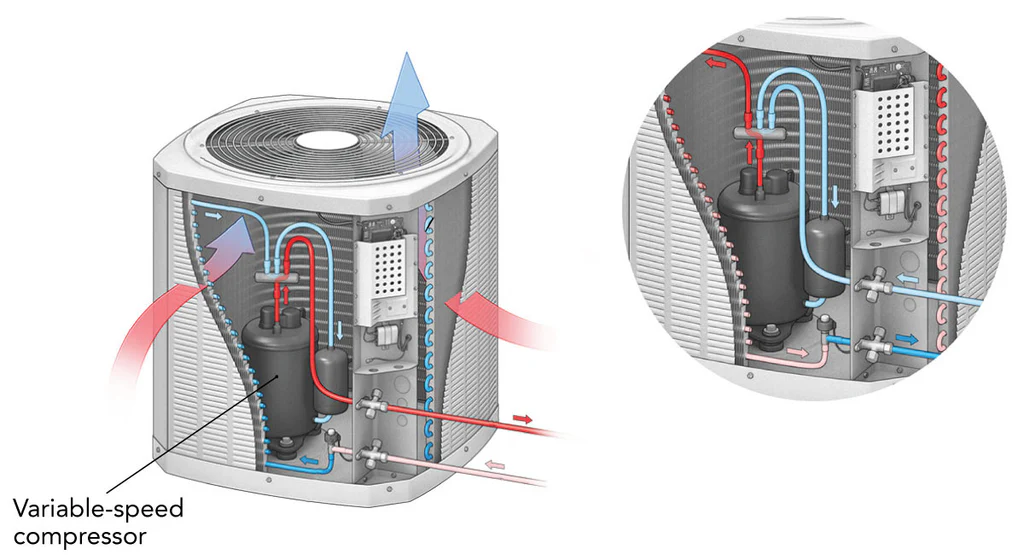
Think of your HVAC compressor as the heart of your air conditioning system. It pumps refrigerant through the entire cooling cycle. The component pressurizes the refrigerant and sends it to the condenser. This process removes heat from your home and releases it outside.
Your air conditioner compressor runs whenever your system needs to cool your space. It’s constantly working during hot summer days. The motor inside spins at high speeds to move refrigerant efficiently. When the HVAC compressor stops working correctly, the whole refrigeration process breaks down. Your home stays warm no matter how low you set the thermostat.
Common Causes of Compressor Failure
Several factors can cause your compressor to fail. Lack of proper maintenance tops the list. Dirty coils force the component to work harder than necessary. Low refrigerant levels also create serious problems. When there’s not enough refrigerant, the system can’t cool properly.
Electrical issues cause many HVAC compressor failures, too. Power surges damage sensitive components inside the unit. Age plays a role as well. Most last 10-15 years with proper care. Beyond that point, wear and tear catch up.
Refrigeration Issues That Affect Performance
Your refrigeration system depends on the right refrigerant charge. Too little refrigerant means poor cooling performance. Too much causes pressure problems that damage components. Leaks in the refrigerant lines create low-pressure situations. The HVAC compressor tries to compensate but eventually gives out.
Contaminated refrigerant is another issue we see often. Moisture or debris in the system wreaks havoc on internal parts. This leads to failure faster than you’d expect. Regular refrigeration system checks prevent these problems before they start.
Electrical Problems in Your HVAC System
Faulty wiring causes HVAC compressors to work improperly or not at all. Loose connections create electrical arcing that damages components. Capacitors provide the starting boost you need. When they fail, the unit won’t start up correctly.
Contractor problems also prevent your HVAC system from running smoothly. These switches control power flow to the compressor. Worn contacts can’t complete the electrical circuit properly. Your outdoor unit might hum but never actually start cooling.
Types of HVAC Compressors and Their Differences
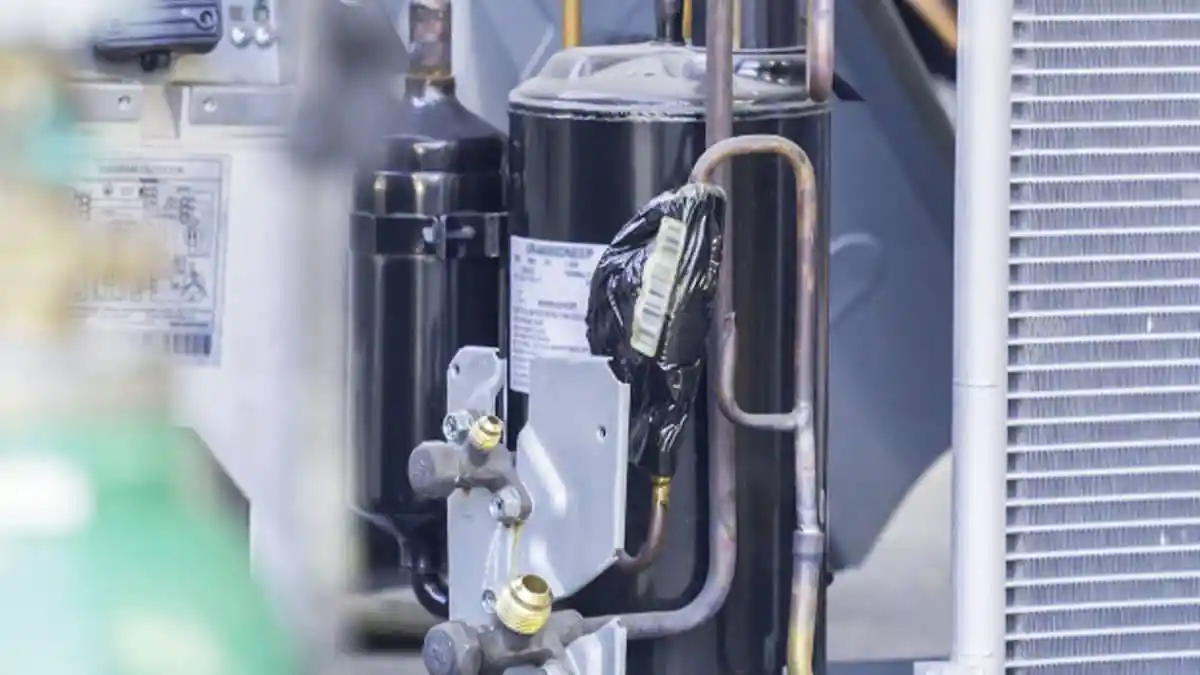
Different HVAC compressor types work better for specific situations. The scroll compressor is super popular in residential systems. It’s quieter and more efficient than older models. This type of compressor uses two spiral-shaped scrolls to compress refrigerant.
Reciprocating compressors use pistons, similar to a car engine. They’re reliable but louder than scroll types. Rotary ones work well in smaller AC units. Each type has unique maintenance needs and lifespan expectations. Understanding your type helps when discussing repairs or replacement options.
AC Compressor Replacement Cost and When It's Necessary
Replacing costs between $1,300 and $2,500 for most homes. The AC compressor cost depends on your unit’s size and type. Labor adds another $500-$1,000 to the total. Sometimes the compressor replacement cost approaches the price of a whole new air conditioner.
Here’s when replacement makes sense:
- Your unit is over 10 years old
- Repair costs exceed half the price of replacement
- The warranty has expired
- You've had multiple repairs recently
- Energy bills keep climbing despite fixes
A new compressor gives you better efficiency and reliability. Consider replacing the entire outdoor unit if it’s old. This approach often saves money compared to fixing aging components one by one.

Choosing the Right HVAC Compressor for Your Home
Selecting the right HVAC compressor involves several factors. Match the capacity to your home’s cooling needs. An oversized unit cycles on and off too frequently. An undersized one runs constantly without cooling properly. Your home’s square footage determines the correct size.
Brand reputation matters when choosing a high-quality HVAC compressor. Stick with established manufacturers that support their products. Check the warranty coverage carefully. A good warranty protects your investment for years. Energy efficiency ratings also impact long-term costs. Higher-rated options cost more upfront but save money monthly.
Air Conditioner Maintenance Tips to Prevent Problems
Regular maintenance extends your HVAC compressor’s lifespan significantly. Change your air filters every 1-3 months. Clean filters improve airflow and reduce system strain. Keep the outdoor unit clear of debris, leaves, and grass clippings. Your condenser needs proper airflow to work efficiently.
Schedule professional tune-ups twice yearly – spring and fall work best. Technicians check refrigerant levels and inspect electrical connections. They clean coils and test system performance. This preventive approach catches small issues before they become expensive repairs. Simple air conditioner maintenance saves thousands in potential HVAC compressor work down the road.
Trust Professional Help for Your Cooling System
Look, we totally understand wanting to fix things yourself. But HVAC compressor problems require specialized knowledge and tools. These components handle high-pressure refrigerant and electrical systems. One wrong move creates dangerous situations or causes more damage.
Professional technicians diagnose issues accurately the first time. They have the training to handle refrigerant safely and legally. When you need HVAC compressor work done, choose licensed professionals with solid reviews. They’ll give you honest assessments about repairs versus replacement. Your comfort and safety matter way too much to risk on guesswork.
FAQ
Q: How long does an HVAC compressor typically last?
A: Most compressors last 10-15 years with proper maintenance. Regular tune-ups and clean filters help maximize lifespan. Systems in harsh climates might wear out faster. If your unit is approaching 15 years old and having problems, replacement often makes more financial sense than repairs.
Q: Can I replace just the compressor, or do I need a new AC unit?
A: You can replace just the compressor if your unit is relatively new (under 10 years). However, if the system is older, replacing the entire outdoor unit makes more sense. The costs are similar, and a new unit gives you better efficiency and reliability for years to come.
Q: What causes a compressor to fail prematurely?
A: Common causes include dirty coils, low refrigerant levels, electrical problems, and lack of maintenance. Running the system with clogged filters forces components to work harder. Power surges damage sensitive parts. Regular professional service prevents most premature failures.
Q: How do I know if my compressor is bad or if it's another problem?
A: Professional diagnosis is the only reliable way to know. Symptoms like no cooling, strange noises, or constant cycling could indicate compressor problems or other issues. Technicians use specialized tools to test compressor function and check refrigerant pressures to pinpoint the exact problem.
Q: Is it normal for a compressor to be hot to the touch?
A: Compressors generate heat during operation, so some warmth is normal. However, excessive heat indicates problems. The component might be working too hard due to low refrigerant, dirty coils, or failing parts. If it’s too hot to touch comfortably, call a professional immediately.
Q: What's the difference between a compressor and a condenser?
A: The compressor is the component that pressurizes and pumps refrigerant through your system. The condenser is the entire outdoor unit that houses the compressor, condenser coils, and fan. People often use these terms interchangeably, but they refer to different parts of your cooling system.