

Ever notice a musty smell when you turn on your AC? Or maybe you’ve spotted some dark spots near your air vents? You might be dealing with mold in air ducts. It’s more common than you think, and it can affect both your home and your health. Let’s talk about what causes mold in air ducts, how to spot it, and most importantly, how to get rid of it for good.
Signs of Mold in Air Ducts and Impact on Indoor Air Quality
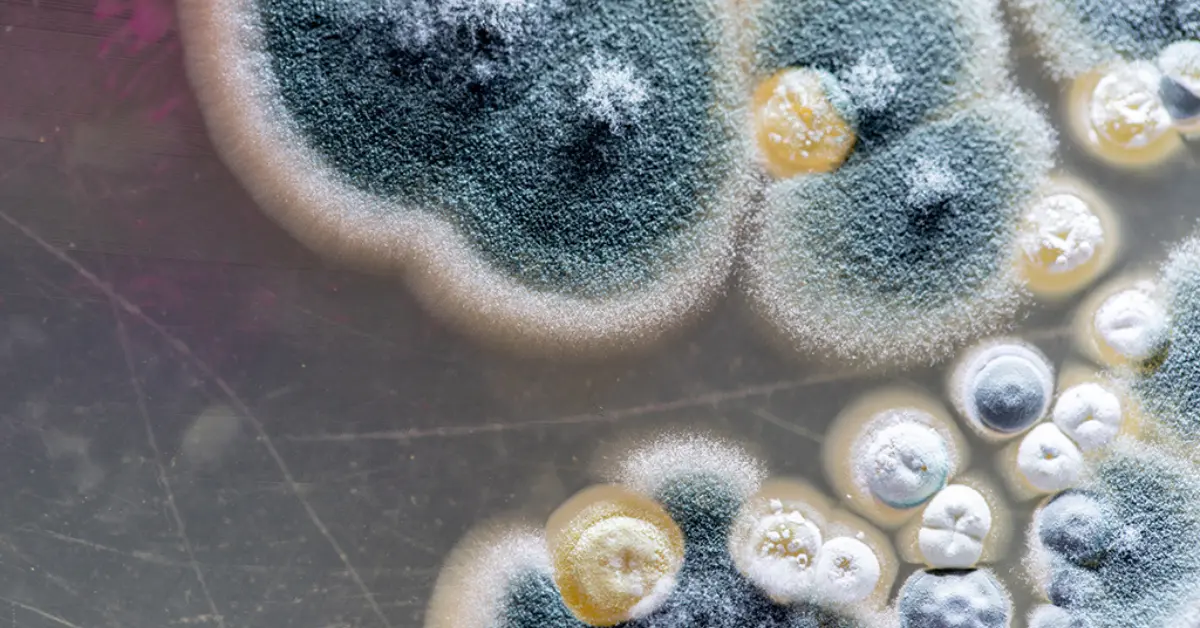
When mold in air ducts starts growing, your whole house can feel the effects. The most obvious sign is that musty, damp smell that just won’t go away no matter how much you clean. You might also notice visible fungi around your vents or on the ducts themselves.
What makes this tricky is that your HVAC system can spread spores throughout your entire home. This means the mold in air ducts doesn’t stay put – it travels to every room, landing on surfaces and potentially causing air quality issues. Many homeowners don’t realize their sneezing fits or headaches might be connected to what’s hiding in their ductwork.
Symptoms of Mold Exposure and When to Take Action
Living with mold in air ducts isn’t just unpleasant – it can actually make you sick. Here are some common symptoms that might mean you’re breathing in:
- Persistent coughing or throat irritation
- Watery, itchy eyes
- Increased allergy symptoms or asthma flare-ups
- Headaches that seem to happen mostly at home
- Unusual fatigue or difficulty concentrating
If you or your family members experience these symptoms and they improve when you leave home, that’s a big red flag. Don’t wait around hoping it will get better on its own. The longer mold in air ducts grows, the harder it becomes to remove completely.
What Causes Mold to Grow in Your HVAC System
Mold is pretty simple – it needs moisture, food, and the right temperature to thrive. Your air ducts can create the perfect environment, especially in humid climates or during seasonal changes.
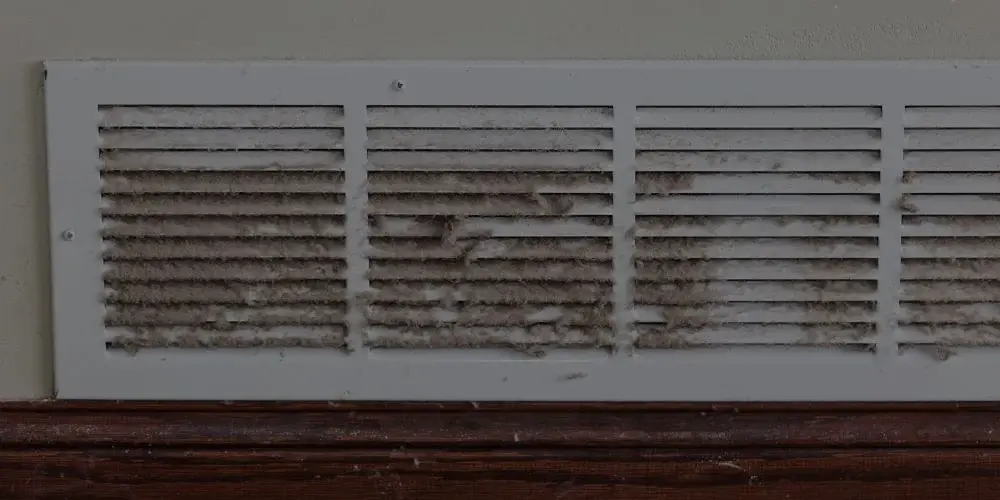
The most common culprit is condensation. When warm air hits cool surfaces inside your ducts, water droplets form. Pair this moisture with dust (which fungi love to eat), and you’ve got a fungi paradise. Other causes of mold in air ducts include water leaks near your HVAC components, high humidity levels in your home, or improper installation that allows moisture to collect. Even a simple clogged drain line can create enough moisture for it to start growing.
How to Check for Mold in Your Air Ducts
Wondering if you actually have mold in air ducts? Start with a visual inspection. Remove a vent cover and look inside with a flashlight. You might see dark spots, discoloration, or even fuzzy growth if the problem is severe.
Don’t forget to check around your air handler too. This is where condensation often builds up, creating prime conditions. If you notice a strong musty smell when the system runs but can’t spot visible signs, it might be growing deeper in the ductwork where you can’t easily see. UV light is also a great way to get rid of mold in air ducts.
Types of Mold Tests for HVAC Systems
If you suspect mold in air ducts but can’t confirm it visually, testing can help. Home test kits are available at most hardware stores. These usually involve collecting samples from your vents and sending them to a lab.
For more accurate results, consider an air quality test. These tests capture air samples from different parts of your home to measure spore concentration. While DIY tests can give you basic information, professional testing provides more detailed results. They can identify exactly what type of mold you’re dealing with, which helps determine the best removal approach.

Professional vs DIY: Getting Rid of Mold in Your Air Vents
For small areas of mold in air ducts, you might be able to handle cleanup yourself. Mix a solution of detergent and water or use a specialized mold cleaner on accessible areas. Make sure to wear protective gear like gloves, goggles, and a mask to avoid breathing in spores.
However, DIY methods have serious limitations. You can only reach what you can see, and mold often grows deep within the ductwork. Plus, improper cleaning can actually release more spores into your home, making the problem worse instead of better.
Air Duct Cleaning Services and Professional Mold Removal
For extensive mold growth, professional help is your best bet. HVAC specialists have tools and techniques to access all parts of your ductwork. They use powerful vacuums, rotary brushes, and specialized disinfectants to thoroughly remove mold in air ducts.
A full professional cleaning typically costs between $450-$1,000 depending on your system size and the severity of contamination. While this isn’t cheap, it’s often necessary for complete removal. Ask potential companies about their mold remediation process and what guarantees they offer. A good company will inspect your ducts before and after cleaning to show you the results.
Protecting Your Home: Preventing Mold Growth in HVAC Ducts
The best way to deal with mold in air ducts is to prevent it from growing in the first place. Regular maintenance makes a huge difference. Change your air filters every 1-3 months to reduce dust buildup that feeds mold.
Control humidity levels in your home, aiming for 30-50%. Consider installing a whole-home dehumidifier if you live in a particularly humid climate. Have your HVAC system professionally serviced annually, including checking for proper drainage and cleaning condensate pans and drain lines.
Remember, addressing mold in air ducts isn’t just about comfort – it’s about creating a healthy home environment. Taking these steps can help ensure the air you breathe is clean and mold-free for years to come.
FAQ
How much does professional air duct cleaning typically cost?
Professional air duct cleaning ranges from $450-$1,000 for a complete service. Factors affecting price include home size, system accessibility, contamination severity, and your location. Some companies offer basic cleaning packages starting around $300, but comprehensive remediation services cost more. Always get multiple quotes and check that companies are certified by the National Air Duct Cleaners Association for quality assurance.
Can I use bleach to clean my air ducts myself?
Bleach isn’t recommended for air duct cleaning. It can damage ductwork, create harmful fumes, and doesn’t effectively address the root problem. The spores can remain viable even after bleach treatment. Better alternatives include specialized HVAC cleaning products or vinegar solutions. Remember, DIY cleaning only reaches visible areas. Deep contamination requires professional equipment to properly sanitize the entire system.
How often should I have my air ducts professionally inspected?
Most HVAC professionals recommend having your air ducts inspected every 3-5 years under normal conditions. However, conduct inspections more frequently if you notice musty odors, increased allergy symptoms, visible growth around vents, or after major home renovations. Annual inspections are wise for older homes, properties in humid climates, or households with respiratory conditions or compromised immune systems.
Will my home insurance cover air duct cleaning if contamination is found?
Home insurance typically doesn’t cover routine air duct cleaning or contamination removal unless it resulted from a covered peril like water damage from a burst pipe. Some policies might provide limited coverage if the issue poses a health hazard, but this varies significantly between insurers. Check your policy details or call your insurance agent to understand your specific coverage limitations.
Can contaminated air ducts affect my pets too?
Yes, pets can suffer from contaminated air ducts just like humans. They may experience respiratory issues, excessive scratching, watery eyes, or unusual lethargy. Smaller pets like birds are particularly sensitive to airborne contaminants. Since our furry friends typically spend more time in the home than we do, they might show symptoms before family members, making them unintentional early warning systems.
What humidity level is ideal to prevent growth in my HVAC system?
The ideal indoor humidity level to prevent unwanted growth in your HVAC system ranges from 30-50%. Invest in a quality hygrometer to monitor levels throughout your home. In humid climates, a whole-home dehumidifier works wonders. During winter, when indoor air tends to be drier, maintain at least 30% humidity to prevent other issues like static electricity and dry skin.